
spoiler
I recently participated in a daylong conference focused on the question “If China succeeds, what are the implications for our security, prosperity, and freedom?” My colleagues attempted to devise win-win scenarios in which China’s rise could be consistent with the continued flourishing of the United States and its allies. I took a more direct approach. I started instead by asking how the Chinese Communist Party (CCP) itself defines success. Contrary to my colleagues’ rosier assessments, that exercise reveals that the CCP’s success would likely result in a more dangerous, impoverished, and tyrannical world for everyone else.
Let’s begin by examining U.S. success over the past 80 years. After World War II, the United States and its allies constructed a so-called liberal international order. The system was based on strong U.S/ military alliances in Europe and Asia, the expansion of free market economic systems at home and abroad, and the (sometimes inconsistent) promotion of democracy and human rights. The system was imperfect to be sure, but it still resulted in one of the most remarkable transformations of the human condition in world history. Since 1945, there have been 80 years of great-power peace, standards of living globally have increased fivefold, and the number of democratic countries has multiplied by nearly eight times. That is quite a record.
But a successful CCP would structure the world differently. Chinese President Xi Jinping has railed against U.S. alliances in Asia as relics of the Cold War that should be replaced by an “Asia for Asians” approach to regional security. China’s success in that regard, therefore, would mean breaking U.S. alliances in Asia, removing the U.S. military presence in the region, and leaving regional states, such as Australia, Japan, the Philippines, and South Korea, vulnerable to Chinese military coercion.
Taiwan would be most exposed. The CCP has insisted that Taiwan’s unification with China is “inevitable.” China’s success, therefore, would mean that, like Hong Kong before it, Taiwan would fall under Beijing’s control. A once vibrant free market democracy would become indistinguishable from the rest of Communist China. Beijing would prefer to win without fighting, but it has also said it will use force if necessary. It is hard to imagine Taipei voluntarily conceding to this future, so unification could likely only be achieved through military conquest. China’s success, therefore, likely means a major war in Asia.
It would also mean that the United States failed in its decade-long effort to prevent a Chinese attack on Taiwan. Either the U.S. president decided not to intervene militarily or—even worse—Washington did intervene and lost to Beijing. China’s success, therefore, would mean a major blow to U.S. military power and credibility.
Former U.S. allies would feel vulnerable and need to seek new means of security. This would be most pronounced in the Indo-Pacific, but America’s NATO allies might also look for a plan B. Some could seek their own independent nuclear arsenals. China’s success, therefore, might mean widespread nuclear proliferation and the weakening of the Nuclear Nonproliferation Treaty.
Xi has said China will have a “world-class military” by 2049. Today, the United States is the only power with a military that can credibly fight in all regions of the globe, including in the backyards of other great powers. To join these ranks would mean that the People’s Liberation Army has also become a global military power with the ability to fight major wars in every region, including the Western Hemisphere.
How would the CCP use this newfound military power? We don’t need to stretch our imaginations. Just look at how it treats countries within its military sphere of influence today, engaging in almost daily military coercion against Taiwan and the Philippines. As China’s military sphere of influence expands, so too would the number of countries exposed to such treatment.
Turning to economics, a successful China would employ its economic weight to pursue a closed economic trading system that locks in preferential terms of trade for itself at the expense of others. The United States is the odd superpower that, after World War II, used its power to create a free and open international economic system. Most great powers throughout history—even the British Empire in the late 19th century—preferred closed imperial blocs.
Indeed, Beijing says it is pursuing a “dual circulation” strategy that seeks to ensure that other countries are economically dependent on China while China secures economic independence for itself. Again, we don’t need to stretch our imaginations too far to envision what this world might look like. China already uses its economic leverage to arbitrarily coerce vulnerable trading partners, such as when it cut off Chinese tourism to South Korea in 2017. China’s success, therefore, would mean the end of an open global trading system and a fragmentation of the global economy into those within Beijing’s economic bloc and those outside it.
In the technological domain, the United States has been the world’s innovation leader since the late 1800s. This has provided it with enormous military, economic, and soft-power advantages. Through its program, formerly known as Made in China 2025, the CCP says it will claim those advantages for itself in new technologies from artificial intelligence to green energy and quantum computing. China’s technological edge would reinforce its military and economic advantages. It would also be a major boon for Chinese intelligence as the world’s data flows over Chinese networks straight to Beijing’s spy ministries, raising privacy concerns for everyone else.
The United States has naturally embedded its values in technology, including a preference for openness and transparency, such as in developing the protocols for the World Wide Web. The CCP’s autocratic values are similarly reflected in its technological priorities. It uses AI for facial recognition software that it uses to spy on its own citizens and that it exports to dictators around the world. It tightly policies the internet to control the information its public can access online. China’s success, therefore, would mean that the rest of the world could only access advanced technology through—and crafted and controlled by—an Orwellian dictatorship.
While much of the free world has blocked the deployment of Chinese 5G technology, Chinese companies such as Huawei are making inroads in the global south, including Brazil. These countries have wanted to avoid choosing between Washington and Beijing, but dependent on China for 21st-century technologies, they will have a hard time maintaining autonomy and face pressure to align with Beijing.
Some say that the U.S.-China rivalry is not about ideology, but they should have asked Xi. He frequently speaks about the decline of Western democracy and the superiority of China’s governance model. China uses its power to curtail freedoms in other countries, including in the United States. It has set up police stations to spy on Chinese citizens and employs economic threats to pressure corporate America and Hollywood to self-censor speech offensive to Beijing.
Western conditionality on trade and aid has nudged countries toward democratic reforms over the years. Developing countries have also sought to emulate the United States’ successful democratic model. China’s rise is already reshaping these patterns. Developing countries prefer aid from Beijing over lectures from Washington and Brussels. And would-be dictators are aping China’s state-led capitalist model.
This is a problem.
China’s rise has contributed to the decline in global democracy over the past 20 years. China’s continued success, therefore, would mean a more autocratic world with fewer freedoms in the United States and Western democracies.
Ultimately, however, the stakes are no less than the leadership of the global system. Xi has argued that by 2049, China will be a leading global power in the center of the international system. Like other global powers before it, Beijing will likely want to reshape this order to be more consistent with its interests and values. That would be understandable—but also calamitous.
Some may object that Washington itself is doing more than any other country to destroy the old international order. They have a point, but two wrongs don’t make a right. China’s success is still problematic for the rest of us.
Fictional alternative histories, such as Philip K. Dick’s The Man in the High Castle, have imagined what the world might have looked like if the Axis powers had won World War II. Creative authors should get to work on imagining and warning the public of the dangers that await if the CCP wins the new cold war. Envisioning this frightening future may be what it takes to motivate Western policymakers to adopt the strategies and policies necessary to ensure that the CCP fails—and the rest of us succeed.
Every single thing the author breathlessly says China will do if it “succeeds” is just something America did in the 20th century.
Meanwhile in the actual future:
Millions of PRC citizens flock to the moon to celebrate Chinese New Space Year!
Americans driving their new DieselGuzz88 for 3 miles before needing another refuel at 314.89/gallon: Thank god I’m not a < latest slur for Chinese >
Chuds be trading gallons of gas like Pokémon cards
All anti-communist propaganda is just accusing them of doing things that happen under capitalism.
IMAX level of

Man they really picked the most
 humanoid they could find to deliver this fuckin Hitlerian stinker
The Atlantic Council is basically the primary policy tank for western imperialist strategy. Everyone there are the ghouls of all ghouls.
Atlantic council is the closest real thing to the conspiratorial THEY.
They always make me think of that scene in Casino Royale where he listens in on them all in the opera or that meeting in Spectre around the table
I found YouTube links in your comment. Here are links to the same videos on alternative frontends that protect your privacy:
Link 1:
Link 2:

standards of living globally have increased fivefold
Cool cool, hey quick question what happens when you factor out China?

Incontrovertible proof that the CCP killed 800 million of it’s own people

Libs can’t fathom any other way to combat poverty
Another 1 trillion dead to communism and dollar to Israel
That just means the Chinese have been hoarding all the standards of living for themselves!
Chinese President Xi Jinping has railed against U.S. alliances in Asia as relics of the Cold War that should be replaced by an “Asia for Asians” approach to regional security. China’s success in that regard, therefore, would mean breaking U.S. alliances in Asia, removing the U.S. military presence in the region, and leaving regional states, such as Australia, Japan, the Philippines, and South Korea, vulnerable to Chinese military coercion.
“Asia for Asians” as opposed to “Asia for Americans”? How horrible for them!
Taiwan would be most exposed. The CCP has insisted that Taiwan’s unification with China is “inevitable.” China’s success, therefore, would mean that, like Hong Kong before it, Taiwan would fall under Beijing’s control. A once vibrant free market democracy would become indistinguishable from the rest of Communist China.
Hong Kong has improved since, posing it as a horrible outcome is nonsense.
Beijing would prefer to win without fighting, but it has also said it will use force if necessary. It is hard to imagine Taipei voluntarily conceding to this future, so unification could likely only be achieved through military conquest. China’s success, therefore, likely means a major war in Asia.
It’s only hard to imagine if your brain is off.
Xi has said China will have a “world-class military” by 2049. Today, the United States is the only power with a military that can credibly fight in all regions of the globe, including in the backyards of other great powers. To join these ranks would mean that the People’s Liberation Army has also become a global military power with the ability to fight major wars in every region, including the Western Hemisphere.
He is imagining “The People’s World Liberation Army”.
How would the CCP use this newfound military power? We don’t need to stretch our imaginations. Just look at how it treats countries within its military sphere of influence today, engaging in almost daily military coercion against Taiwan and the Philippines. As China’s military sphere of influence expands, so too would the number of countries exposed to such treatment.
What a huge list of horrible things China has done! Some island disagreements with no real military conflicts and a lot of western newspaper articles about Taiwan.
Turning to economics, a successful China would employ its economic weight to pursue a closed economic trading system that locks in preferential terms of trade for itself at the expense of others. The United States is the odd superpower that, after World War II, used its power to create a free and open international economic system. Most great powers throughout history—even the British Empire in the late 19th century—preferred closed imperial blocs.
Indeed, Beijing says it is pursuing a “dual circulation” strategy that seeks to ensure that other countries are economically dependent on China while China secures economic independence for itself.
Not what that is but go off.
China’s success, therefore, would mean the end of an open global trading system and a fragmentation of the global economy into those within Beijing’s economic bloc and those outside it.
He’s failed to justify why that is.
China’s technological edge would reinforce its military and economic advantages. It would also be a major boon for Chinese intelligence as the world’s data flows over Chinese networks straight to Beijing’s spy ministries, raising privacy concerns for everyone else.
As opposed to those data flows going straight to the USA’s spy ministries.
The United States has naturally embedded its values in technology, including a preference for openness and transparency, such as in developing the protocols for the World Wide Web. The CCP’s autocratic values are similarly reflected in its technological priorities.
Where?
It uses AI for facial recognition software that it uses to spy on its own citizens and that it exports to dictators around the world. It tightly policies the internet to control the information its public can access online.
Saying this while the US is trying to legislate an ID requirement at the operating system level to use a PC is wild.
China’s success, therefore, would mean that the rest of the world could only access advanced technology through—and crafted and controlled by—an Orwellian dictatorship.


Western conditionality on trade and aid has nudged countries toward democratic reforms over the years. Developing countries have also sought to emulate the United States’ successful democratic model. China’s rise is already reshaping these patterns. Developing countries prefer aid from Beijing over lectures from Washington and Brussels. And would-be dictators are aping China’s state-led capitalist model.
Are any of those countries better off afterwards?
No.
Ultimately, however, the stakes are no less than the leadership of the global system. Xi has argued that by 2049, China will be a leading global power in the center of the international system. Like other global powers before it, Beijing will likely want to reshape this order to be more consistent with its interests and values. That would be understandable—but also calamitous.
Calamitous for capitalists. Not for everyone else.
Fictional alternative histories, such as Philip K. Dick’s The Man in the High Castle, have imagined what the world might have looked like if the Axis powers had won World War II. Creative authors should get to work on imagining and warning the public of the dangers that await if the CCP wins the new cold war. Envisioning this frightening future may be what it takes to motivate Western policymakers to adopt the strategies and policies necessary to ensure that the CCP fails—and the rest of us succeed.
This last paragraph is literally a call to action by the “senior director of the Atlantic Council’s Scowcroft Center for Strategy and Security” to produce fictional media propaganda that presents a future Chinese world order as dystopia.
engaging in almost daily military coercion against Taiwan and the Philippines
as far as I know, this begins and ends with boat posturing - each side sends radio messages saying “don’t sail where I’m sailing bro, ill fuck you up! For realsies!” and then they sail past each other and nothing happens.
Sometimes they splash water on each other
Don’t forget sticks and stones.
Edit: Just realized after posting the link, that the URL for the sticks and stones border clash is “china-india-clash-video-nuclear-weapons-geopolitics”. Peak journalism.
How would the CCP use this newfound military power? We don’t need to stretch our imaginations. Just look at how it treats countries within its military sphere of influence today, engaging in almost daily military coercion against Taiwan and the Philippines. As China’s military sphere of influence expands, so too would the number of countries exposed to such treatment.
how many girls’ schools have they triple-tapped with cruise missiles
The United States is the odd superpower that, after World War II, used its power to create a free and open international economic system. Most great powers throughout history—even the British Empire in the late 19th century—preferred closed imperial blocs.
Funny how if you actually look into the history, the British Empire also was the biggest free-trade advocate in the world, and only changed the tune when they started declining. No parallels to the current situation we are in, I’m sure.
Developing countries prefer aid from Beijing over lectures from Washington and Brussels.
And why is that, precisely?
It’s like really bad for the white nationalist project. Anyways.
Everyone else:
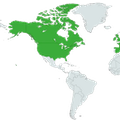
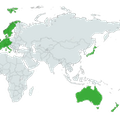
The system was based on strong U.S/ military alliances in Europe and Asia, the expansion of free market economic systems at home and abroad, and the (sometimes inconsistent) promotion of democracy and human rights.

Well it’s “everyone else” in the sense that they don’t consider the global south people. “Everyone else” is white people. Which mind you, still isn’t fucking true because the West wouldn’t be doomed under China’s plans; We would be less doomed because we would have green energy and the planet wouldn’t have a apocalyptic environmental collapse. Thank you for coming to my TED Talk.
It’s not even “white people” it’s specifically just the ruling class in predominantly white countries. White people overall are only going to be worse off because their ruling class exploit them harder, and that ruling class is going to be at greater risk of revolution.
Truth nuke!
The same people claiming communism will cause the apocalypse are the same people who think porky stuffing himself is worth suffering the apocalypse for.
But it’s ok, it’s all about the principle of “personal freedom”.
freedom to exploit
Extremely funny to write about evil CHINESE economic and military pressures when the US is threatening its own allies with annexation and openly sabotaging their economies.
this reads like it was written by a 12 year old
and the (sometimes inconsistent) promotion of democracy and human rights
sometimes
The United States has naturally embedded its values in technology, including a preference for openness and transparency, such as in developing the protocols for the World Wide Web.
minor nitpickbut https://en.wikipedia.org/wiki/Tim_Berners-LeeFormer U.S. allies would feel vulnerable and need to seek new means of security. This would be most pronounced in the Indo-Pacific, but America’s NATO allies might also look for a plan B. Some could seek their own independent nuclear arsenals. China’s success, therefore, might mean widespread nuclear proliferation and the weakening of the Nuclear Nonproliferation Treaty.
the treaty so strong that the zionists have made a mockery of it with their decades-long open secret?
The “democracy” they are trying to defend:
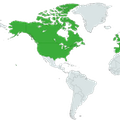
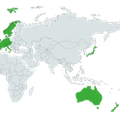
everyone else