I would argue that the central issue is not which class bears the greater tax burden, but the persistence of the class system itself. I am not advocating for abolishing cash or personal property, but am questioning an economic order with declining social mobility and where the circumstances of one’s birth increasingly determines the opportunities available throughout life. I think it’s more accurate to say that we have castes instead of classes.
As wealth compounds across generations, so too does access to property, capital, education, and influence. The result is that assets become concentrated within a relatively small portion of society, while others find it increasingly difficult to establish any foundations for security and prosperity. Every person should begin from a place where opportunity is genuinely shared rather than inherited.
I think you missed the point that there shouldn’t be a class of wealthy who exist separately from the rest of society in the first place. Arguing over what their responsibility to the public is only serves to legitimize their existence when the focus should be on the elimination of it.
Taxing the owning class doesn’t remove the owning class. It does nothing to dismantle the unjust systems of ownership and the governance which maintains its continued exploitation of the working class.


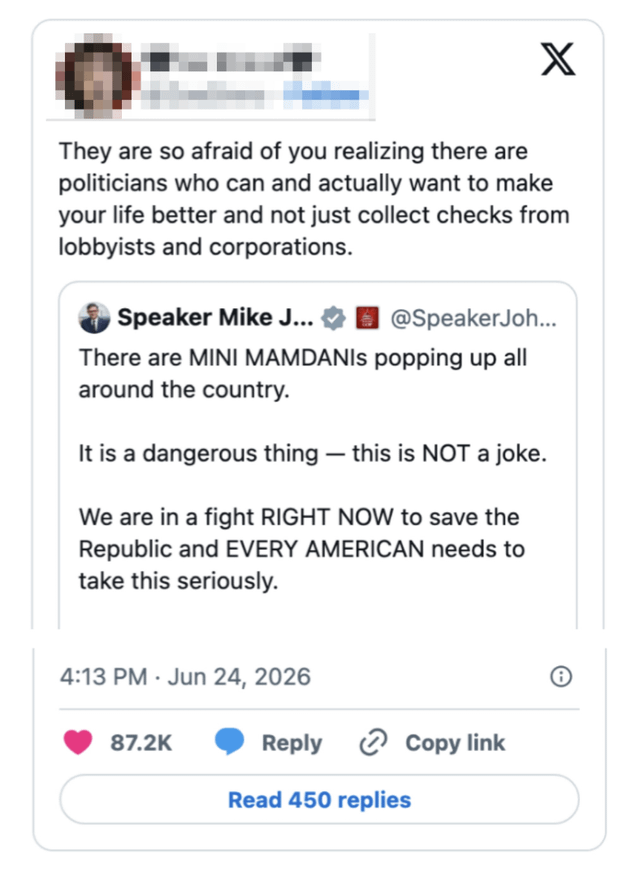
Who’s paying the taxes is optional. That burden should fall on the wealthy, not the lower middle class.
I would argue that the central issue is not which class bears the greater tax burden, but the persistence of the class system itself. I am not advocating for abolishing cash or personal property, but am questioning an economic order with declining social mobility and where the circumstances of one’s birth increasingly determines the opportunities available throughout life. I think it’s more accurate to say that we have castes instead of classes.
As wealth compounds across generations, so too does access to property, capital, education, and influence. The result is that assets become concentrated within a relatively small portion of society, while others find it increasingly difficult to establish any foundations for security and prosperity. Every person should begin from a place where opportunity is genuinely shared rather than inherited.
Whatever you want to call it. The point was that the wealthy should be the ones paying for the public good. Not those who are unfairly burdened by it.
I think you missed the point that there shouldn’t be a class of wealthy who exist separately from the rest of society in the first place. Arguing over what their responsibility to the public is only serves to legitimize their existence when the focus should be on the elimination of it.
That could be achieved by taxing them sufficiently.
Taxing the owning class doesn’t remove the owning class. It does nothing to dismantle the unjust systems of ownership and the governance which maintains its continued exploitation of the working class.
Tax them hard enough that they don’t have resources to spend on buying everything up and then everyone can be the owning class.
That doesn’t stop them from leveraging their ownership of said resources to force legislation in their favor.
You seriously need to read theory and learn how this stuff works.