I’m part of the desktop software generation. From Windows 95 to Windows 7, I grew using mostly-offline software on computers operated via mouse and keyboard, well before tablets and smartphones. Recently, I’ve been missing one particular part of that era: its consistency in design. I want to tell you about
Consistency of interface is why text-based interaction like Emacs is far superior to modern GUIs. I agree with his opening about text-based interfaces being more intuitive and direct, even if that only means labels instead of icons.
For example, Figma doesn’t follow any HTML design idioms because there is no HTML. It’s written in web assembly; they are on the cutting edge of implementing desktop-style software in the browser. Of course that breaks the HTML-webpage-as-document model. The browser’s back button, keyboard shortcuts, etc. fall by the wayside while a human-computer interaction paradigm is rebuilt.
This sucks actually. Go ahead and make your website beautiful, but it needs to be machine-intelligible for accessibility (WCAG). A program shall be able to parse headings, tables, links, buttons, etc. because not every user is using vision to navigate your website. Even for sighted users, it should be possible for them to interpret the semantic structure of the website in order to render it as they prefer.
This author thinks keyboards are only for power users; that couldn’t be farther from the truth. The keyboard is the original and most basic interface with a computer. Even before there were displays. Not everyone is mouse-brained clicking and scrolling around their computer all day. And again… for accessibility the mouse shall not be assumed.
Gee-whiz websites built from “first principles” inevitably impose a specific human-computer interaction based on the arbitrary, and often accessibility-ignorant, ideas of some 20-year-old tech bros who do not understand the larger picture and the theoretical reasons for certain paradigms from the early days.

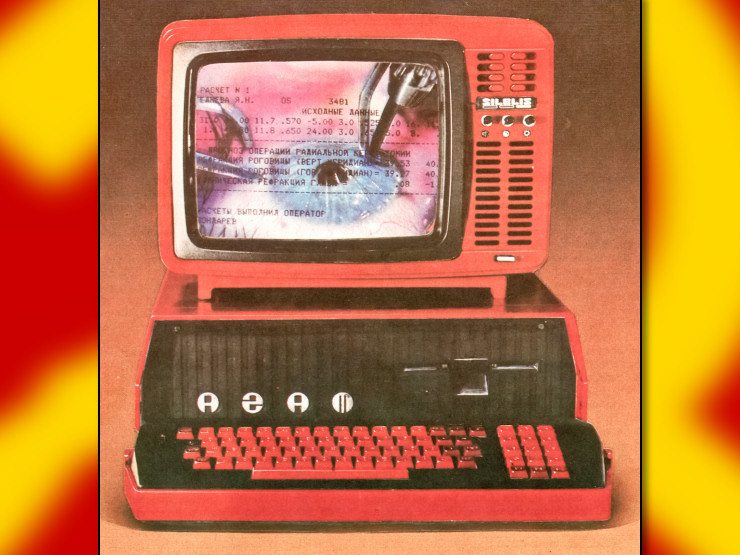

Consistency of interface is why text-based interaction like Emacs is far superior to modern GUIs. I agree with his opening about text-based interfaces being more intuitive and direct, even if that only means labels instead of icons.
This sucks actually. Go ahead and make your website beautiful, but it needs to be machine-intelligible for accessibility (WCAG). A program shall be able to parse headings, tables, links, buttons, etc. because not every user is using vision to navigate your website. Even for sighted users, it should be possible for them to interpret the semantic structure of the website in order to render it as they prefer.
This author thinks keyboards are only for power users; that couldn’t be farther from the truth. The keyboard is the original and most basic interface with a computer. Even before there were displays. Not everyone is mouse-brained clicking and scrolling around their computer all day. And again… for accessibility the mouse shall not be assumed.
Gee-whiz websites built from “first principles” inevitably impose a specific human-computer interaction based on the arbitrary, and often accessibility-ignorant, ideas of some 20-year-old tech bros who do not understand the larger picture and the theoretical reasons for certain paradigms from the early days.