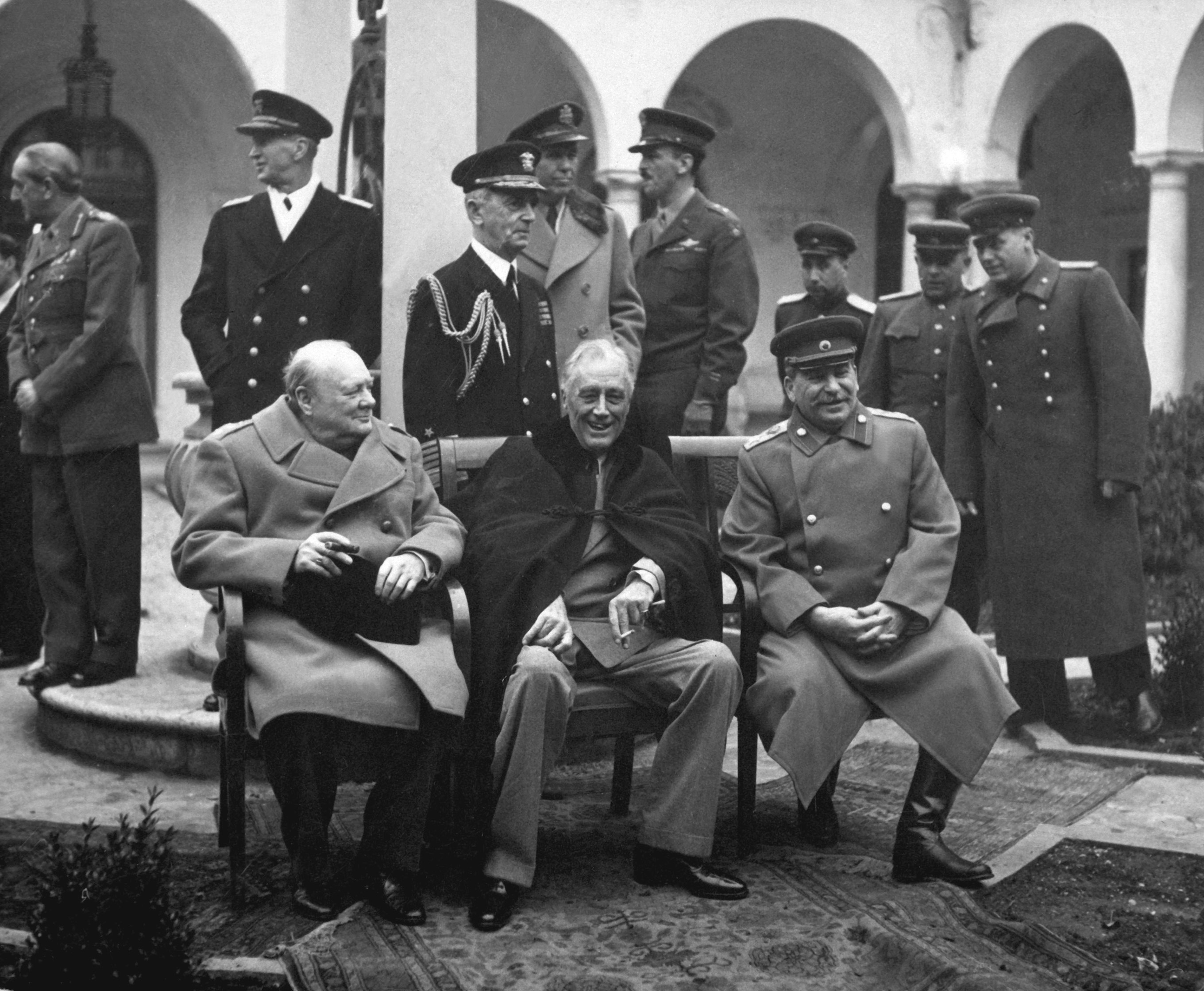
Colorized and probably AI sharpened from the original if I had to guess, but it is a real image.
Supposedly maybe the earliest picture of them together according to the GettyImages editorial submission of the original? (https://www.gettyimages.com/detail/news-photo/fidel-castro-and-ernesto-che-guevara-in-miguel-schultz-jail-news-photo/89861207)
Anyways they’re both hot; Che I would have ridden you like a motorcycle
Two absolute hunks. Also looks nice for a jail? There’s like cots with blankets. Jesus american jails they put you naked on the fucking floor.
Sí.
Just for some additional context as I kept digging for the actual date and original editorial source of this photo:
It does seem like this is from some point post-March 1956. GettyImages’ description (provided by ‘Apic’, which is actually an incredibly annoying name for a contributor to gettyimages to have because it makes them completely transparent to search engines when you’re trying to figure out who the fuck ‘Apic’ is owned by - anyways I’m not contacting GettyImages’ Hulton Archive, which seemingly owns the rights for it now) lists it as June or July 1956.
Che: The Diaries of Ernesto Che Guevara (2009) has a section about this specific period, I can’t find where the book pulls this from on the works collected on Marxists.org, but here:
Aided by a small, intimate team, Fidel Castro gave himself, all his energy, and his extraordinary work spirit entirely to the task of organizing the armed combatants who were to leave for Cuba. He almost never gave classes on military tactics, since time for him was in short supply. The rest of us were able to learn quite a bit from Commander Alberto Bayo [a veteran of the Spanish Civil War]. Listening to those first classes, my almost immediate impression was that victory was, in fact, possible. It had seemed doubtful when I first enrolled with the rebel commander, to whom I was attached from the beginning by a leaning toward romantic adventure and the notion that it would be well worth dying on a foreign beach for such pure ideals.
Several months passed in this way. Our marksmanship began to improve, and the best shooters emerged. We found a ranch in Mexico where—under Commander Bayo’s direction and with myself as head of personnel—the final preparations were made, aiming to leave in March 1956. Around that time, however, two Mexican police units—both on Batista’s payroll—were hunting Fidel Castro, and one of them had the good fortune, in financial terms, to capture him; but they made the absurd error, also financial, of not killing him after taking him prisoner. Within a few days many of his followers were captured. Our ranch on the outskirts of Mexico City also fell into police hands, and we all went to jail.
This all postponed the beginning of the last part of the first stage.
Some of us were imprisoned for 57 days, which we counted off one by one, with the perennial threat of extradition hanging over our heads (as Commander Calixto García and I can attest). But at no time did we lose our personal confidence in Fidel Castro. And Fidel did some things we could almost say compromised his revolutionary discipline for the sake of friendship. I remember explaining my specific case to him: a foreigner, in Mexico illegally, with a whole series of charges against me. I told him that by no means should the revolution be held up on my account; that he could leave me behind; that I understood the situation and would try to fight wherever I was sent; and that the only effort on my behalf should be to have me sent to a nearby country and not to Argentina. I also remember Fidel’s sharp reply: “I will not abandon you.” And he didn’t, and precious time and money had to be diverted to get us out of the Mexican jail. Fidel’s personal commitment toward people he holds in esteem is the key to the fanatical loyalty he inspires. Adherence to principles and adherence to the individual combine to make the Rebel Army an indivisible fist.
Source: https://www.thetedkarchive.com/library/ernesto-che-guevara-the-diaries-of-ernesto-che-guevara#toc15


