That’s because when supply outruns demand, surplus electricity is basically worthless and wholesalers need to pay someone to take it - we have long stretches of time, even during winter, where our domestic solar production saturates the demand, resulting in our Feed-in tariffs (what homes get paid for surplus production) has dropped to 1c/kWh, except for certain edge cases).
The bulk of the cost incurred is due to peak-energy generation (gas turbine, I believe?) ramping up to cover peak evening times.
These costs are aggregated and amortised over total demand, to balance out people’s energy bills.
This has been a bit of a tangent, but I found this interesting when I first learned it, and just wanted to share!

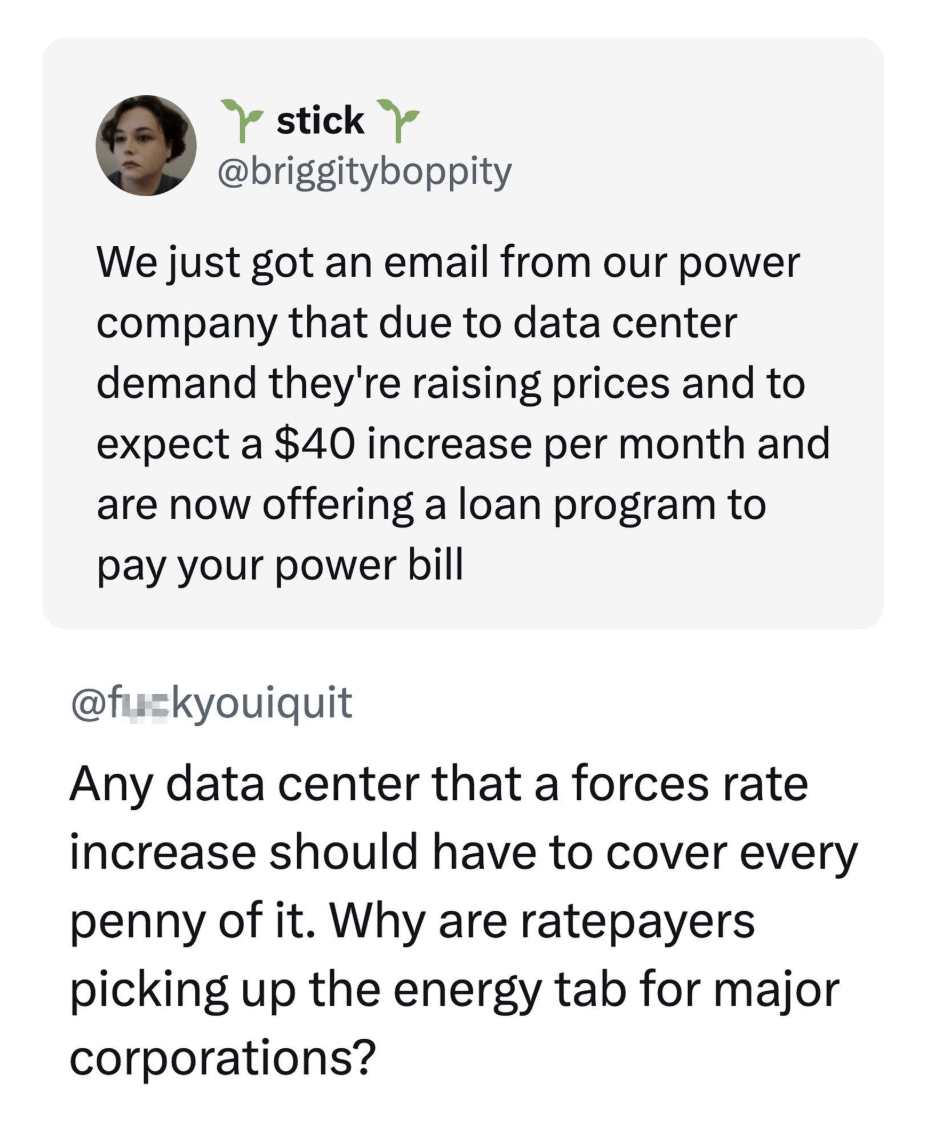
If it’s anything like it is here in Victoria (Australia); the price per MWh is recalculated based on supply/demand on a 5 minute basis:
https://www.aemo.com.au/aemo/data/nem/priceanddemand/PRICE_AND_DEMAND_202607_VIC1.csv
That’s because when supply outruns demand, surplus electricity is basically worthless and wholesalers need to pay someone to take it - we have long stretches of time, even during winter, where our domestic solar production saturates the demand, resulting in our Feed-in tariffs (what homes get paid for surplus production) has dropped to 1c/kWh, except for certain edge cases).
The bulk of the cost incurred is due to peak-energy generation (gas turbine, I believe?) ramping up to cover peak evening times.
These costs are aggregated and amortised over total demand, to balance out people’s energy bills.
This has been a bit of a tangent, but I found this interesting when I first learned it, and just wanted to share!