
- 3.23K Posts
- 458 Comments
I posted some related commentary of his recently in another thread. The relevant bit:
Mr. Pembrose (I have no idea where this name came from. In general, I just try to match characters with names that “feel right.”)
Whoops, thanks. Reposted at https://discuss.online/post/42169450
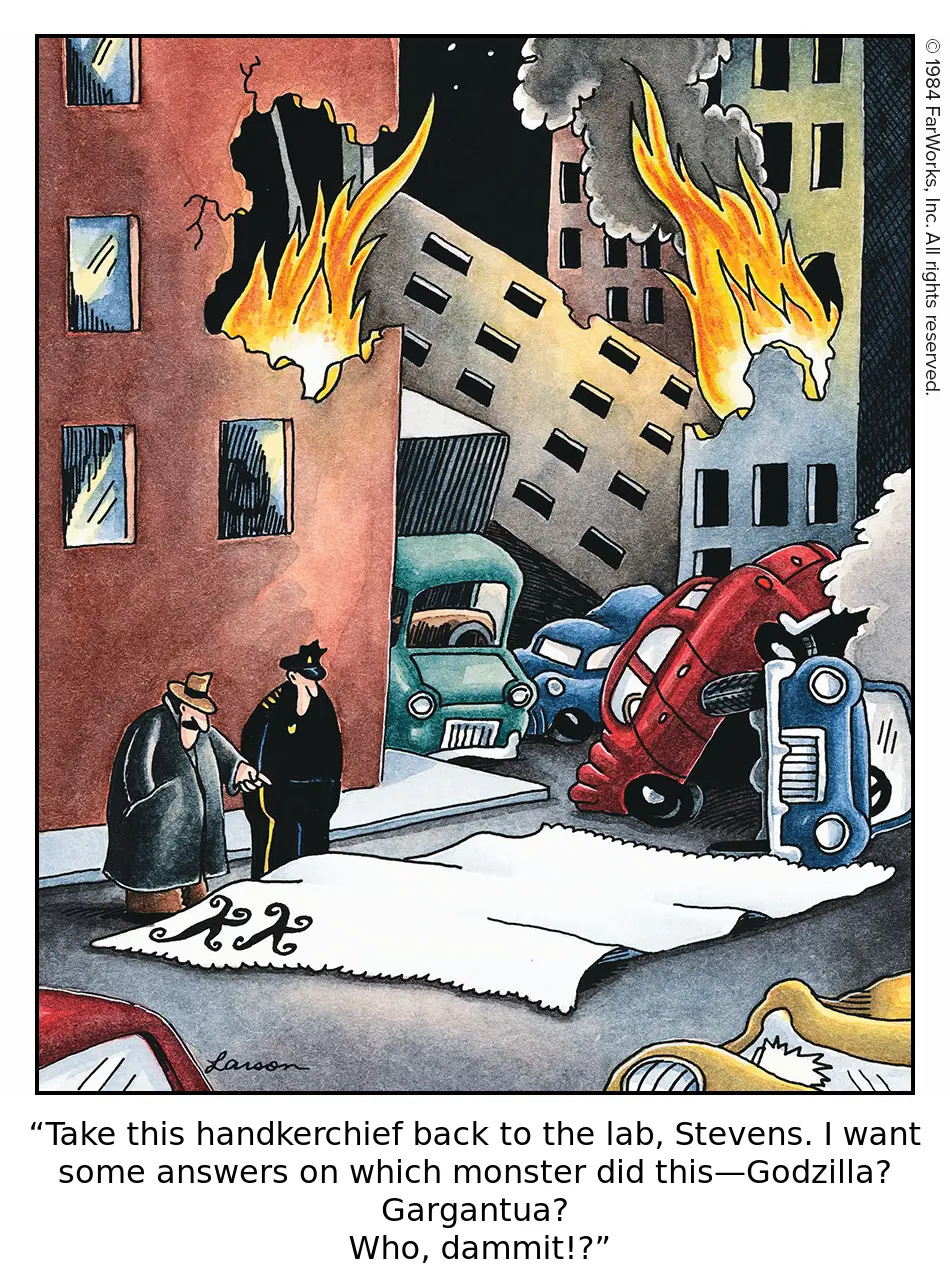
Some background on this comic:
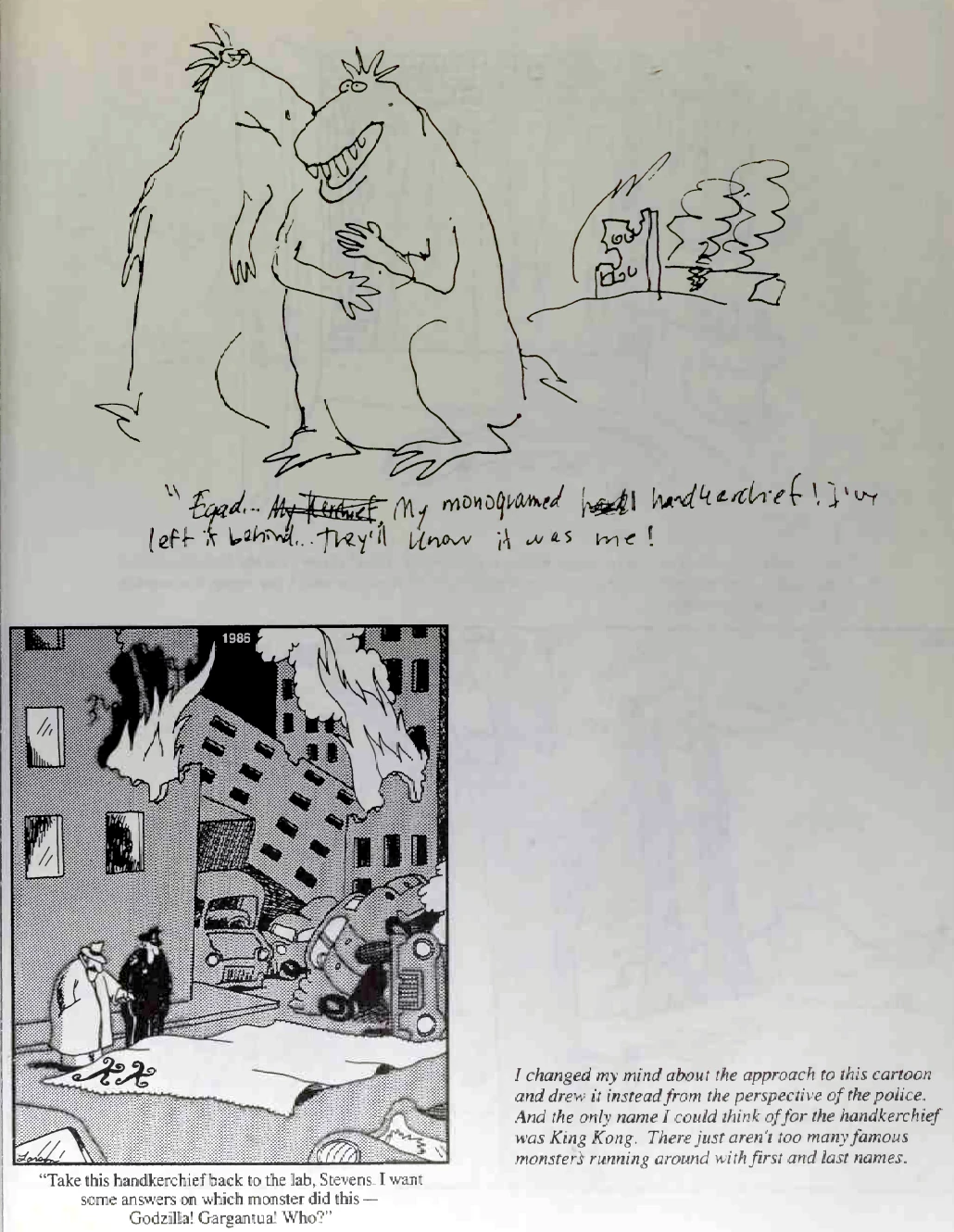
Transcript (sketch):
"Egad…
My Kerchief, My monogrammedhandhandkerchief! I’ve left it behind… They’ll know it was me!Transcript (comment):
I changed my mind about the approach to this cartoon and drew it instead from the perspective of the police. And the only name I could think of for the handkerchief was King Kong. There just aren’t too many famous monsters running around with first and last names.
Neat! Here’s a link to the interactive visualization:
https://p.migdal.pl/tree-of-tree/
Even cooler than the picture, zooms around and goes over details

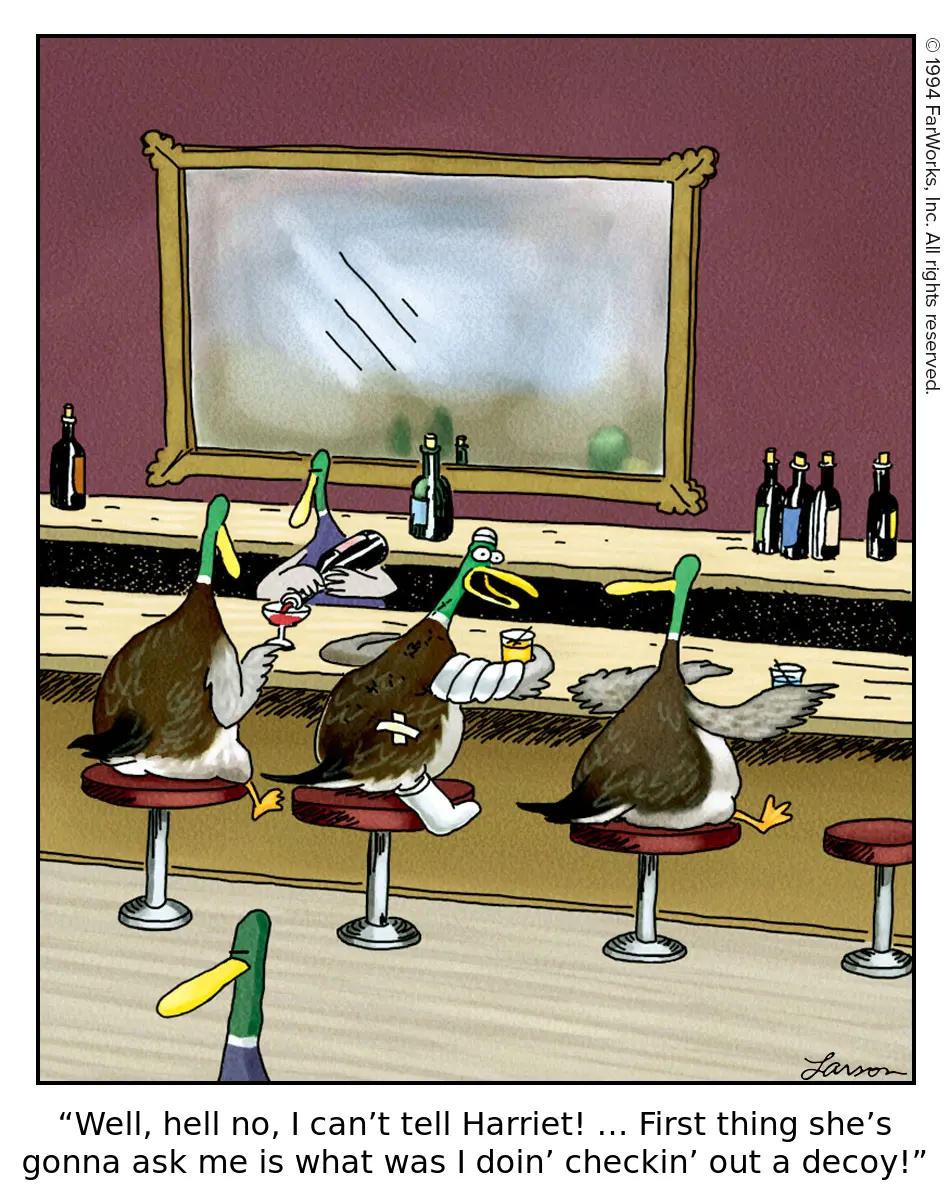
Some context on this comic:
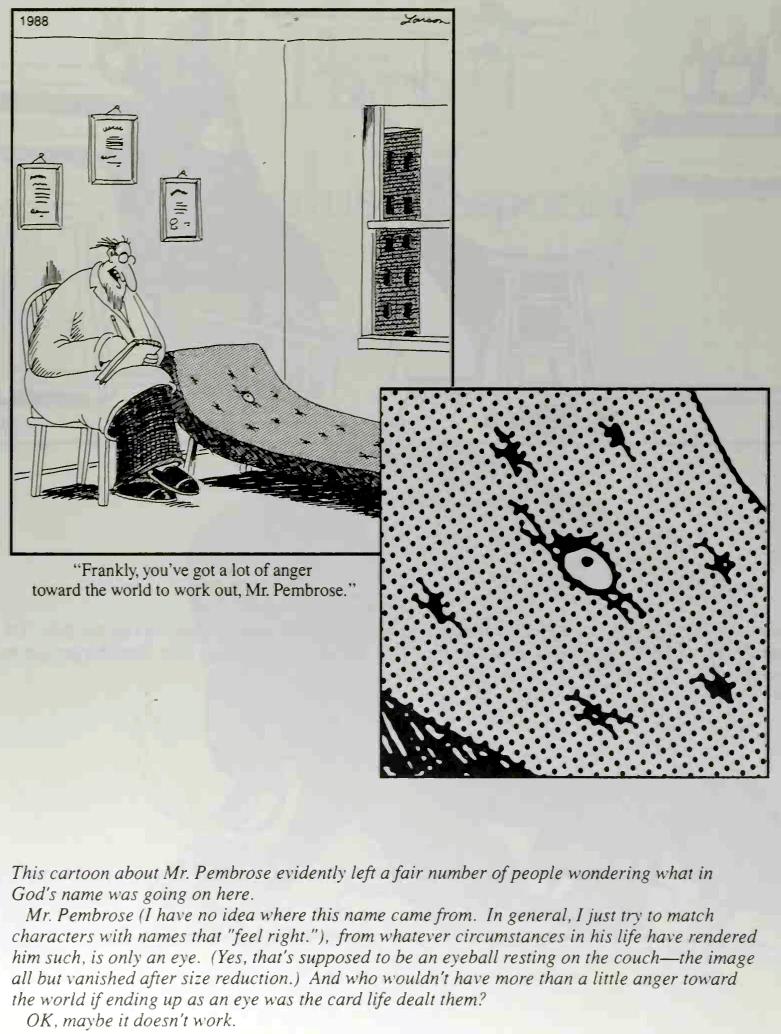
Transcript:
This cartoon about Mr. Pembrose evidently left a fair number of people wondering what in God’s name was going on here.
Mr. Pembrose (I have no idea where this name came from. In general, I just try to match characters with names that “feel right.”), from whatever circumstances in his life have rendered him such, is only an eye. (Yes, that’s supposed to be an eyeball resting on the couch―the image all but vanished after size reduction.) And who wouldn’t have more than a little anger toward the world if ending up as an eye was the card life dealt them?
OK, maybe it doesn’t work.
I think it’s slightly more specific, “What if a neurosurgeon operated like a barbershop?”, but yeah that’s the gist of it.
 2·17 days ago
Here’s a comparison between French and Swedish on a random news story of the day:
Keir Starmer annonce sa démission de son poste de premier ministre du Royaume-Uni
https://www.svt.se/nyheter/utrikes/keir-starmer-avgar-som-storbritanniens-premiarminister
Keir Starmer avgår som Storbritanniens premiärminister
I can tell it’s about Keir Starmer and being a prime minister, but nothing beyond that (annonce = announce, but that doesn’t help). The French one is a bit worse IMO because of false cognates. He decommissions his son from the post of prime minister of the royal university? I translated it and I was way off. Looked at a few others, and I can see cognates after I translate them to English, but it’s not something I would be able to figure out just by reading it.
Some context on this comic:
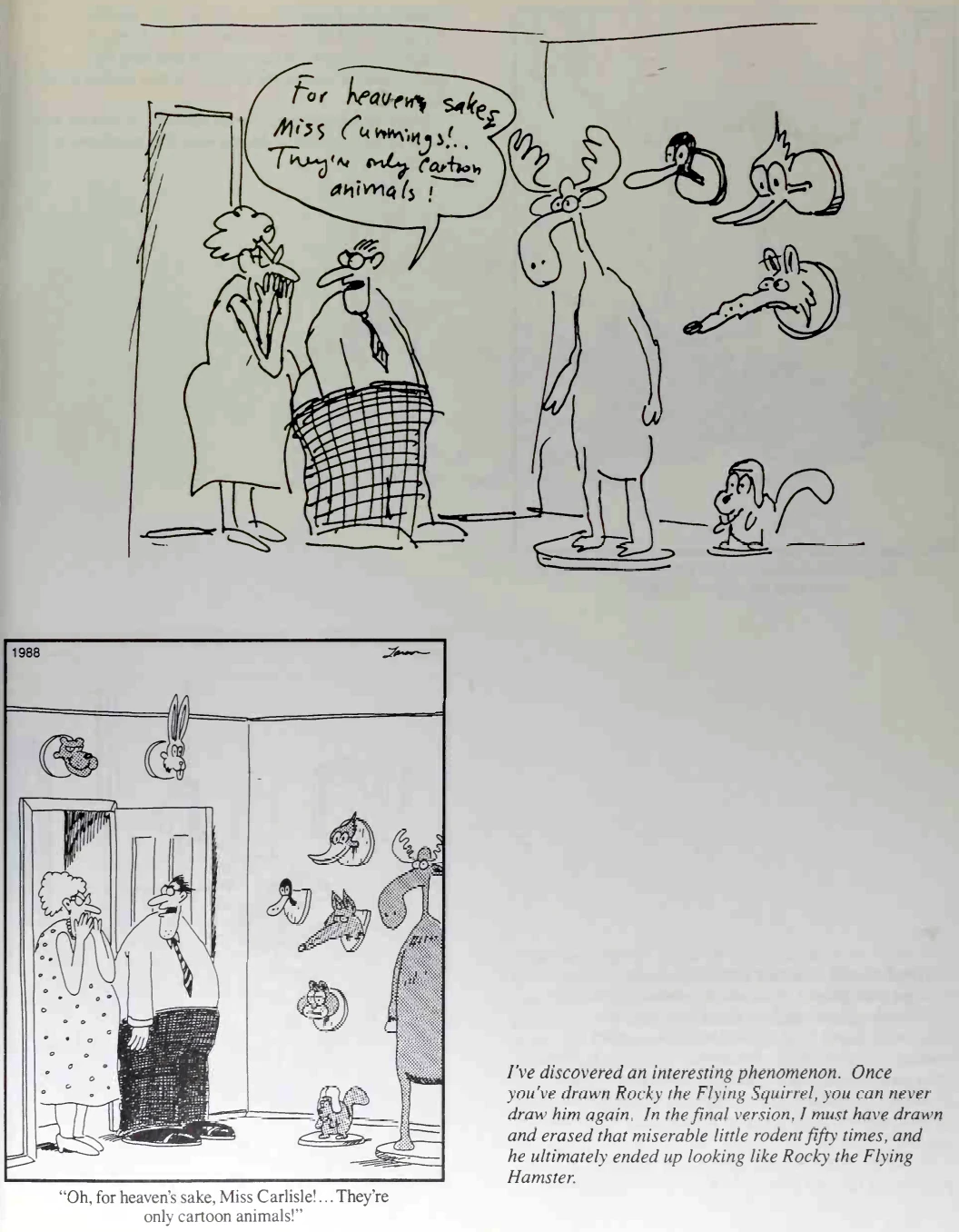
Transcription:
I’ve discovered an interesting phenomenon. Once you’ve drawn Rocky the Flying Squirrel, you can never draw him again. In the final version, I must have drawn and erased that miserable little rodent fifty times, and he ultimately ended up looking like Rocky the Flying Hamster.
I tried translating the sentence to French with a machine translator and it came up with this:
L’hiver rigoureux approche, une tempête de neige va s’abattre. Viens te réfugier dans ma maison bien chauffée, mon ami. Bienvenue ! Viens ici, chante et danse, mange et bois. Voilà ce que j’ai prévu. Nous avons de l’eau, de la bière et du lait tout frais de la vache. Oh, et de la soupe bien chaude !
I would understand “bière” and “soupe” out of all that, I think. There’s cognates in there like mansion/maison, but they’re spelled/pronounced differently enough that I don’t think they’d help.
Generally not, but it’d be interesting to explore how long of an intentionally-constructed text could be considered mutually intelligible. Here’s an example for Germanic languages:
https://linguifex.com/wiki/Literature%3AThe_cold_winter_is_near
The cold winter is near is an example text for Germanic languages written by YouTuber King Ming Lam. It aims to use as much partially or completely mutually intelligible vocabulary between North and West Germanic languages to construct a text that can be understood, if vaguely, by any speaker of a mainstream Germanic language, such as English or German.
Here’s the English text:
The cold winter is near, a snowstorm will come. Come in my warm house, my friend. Welcome! Come here, sing and dance, eat and drink. That is my plan. We have water, beer, and milk fresh from the cow. Oh, and warm soup!
To me, Norwegian is the closest to intelligible as a native English speaker:
Den kalde vinteren er nær, en snøstorm vil komme. Kom inn i mitt varme hus, min venn. Velkommen! Kom her, syng og dans, et og drikk. Dette er min plan. Vi har vann, øl og melk fersk fra kua. Åh, og varm suppe!
I’ve also seen that Frisian is supposed to be most understandable to an English speaker, or at least most historically related. Here’s some samples of that:
- English: The boy stroked the girl about the chin and kissed her on the cheeks.
- Saterland Frisian: Die Wänt strookede dät Wucht uum ju Keeuwe un oapede hier ap do Sooken.
- North Frisian (Mooring dialect): Di dreng aide dåt foomen am dåt kan än mäket har aw da siike.
- North Frisian (Söl’ring dialect): Di Dreeng strekt dit faamen om’t Ken en taatjet höör üp di Sjaken
- West Frisian: De jonge streake it famke om it kin en tute har op 'e wangen.
- Gronings: t Jong fleerde t wicht om kinne tou en smokte heur op wange.
- East Frisian Low Saxon: De Fent straktde dat Wicht um’t Kinn to un tuutjede hör up de Wangen.
- German: Der Junge streichelte das Mädchen ums Kinn und küsste sie auf die Wangen.
- Dutch: De jongen streelde het meisje langs haar kin en kuste haar op de wangen.
- Afrikaans: Die seun streel die meisie oor haar ken en soen haar op die wange.
- Danish: Drengen strøg pigen på hagen og kyssede hende på kinderne.
- Icelandic: Drengurinn strauk stúlkunni um hökuna og kyssti hana á kinnarnar.
- Norwegian (Bokmål): Gutten strøk jenta på haken og kysset henne på kinnene.
- Norwegian (Nynorsk): Guten strauk jenta på haka og kyssa henne på kinna.
- Swedish: Pojken strök flickan över hakan och kysste henne på kinderna.
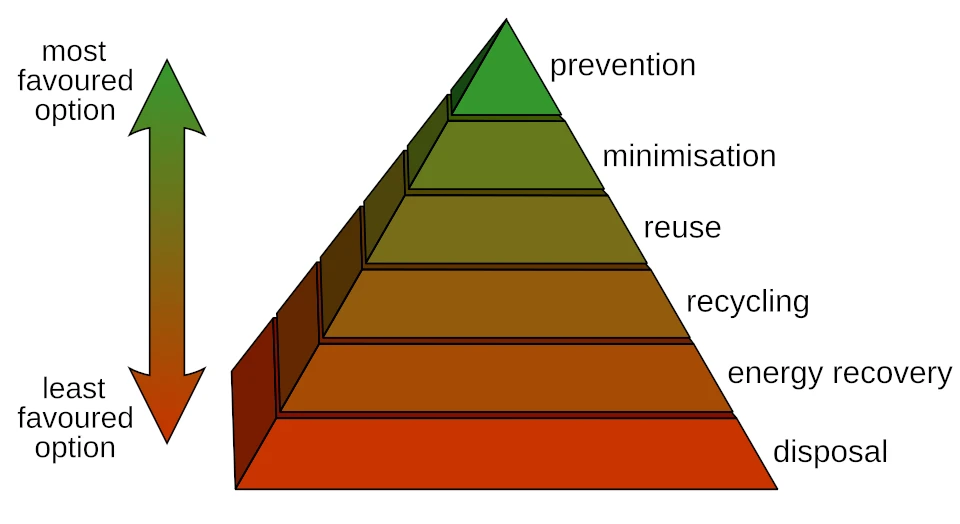
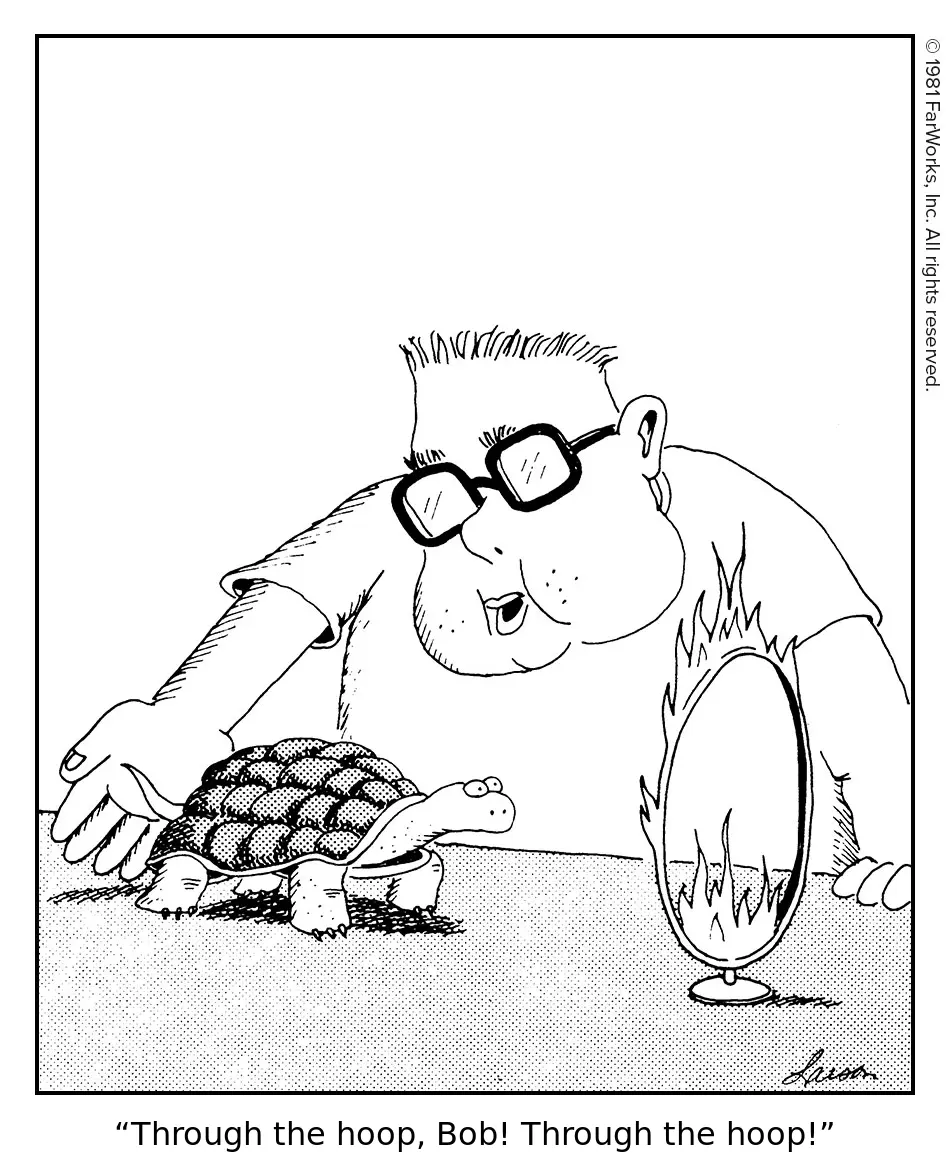
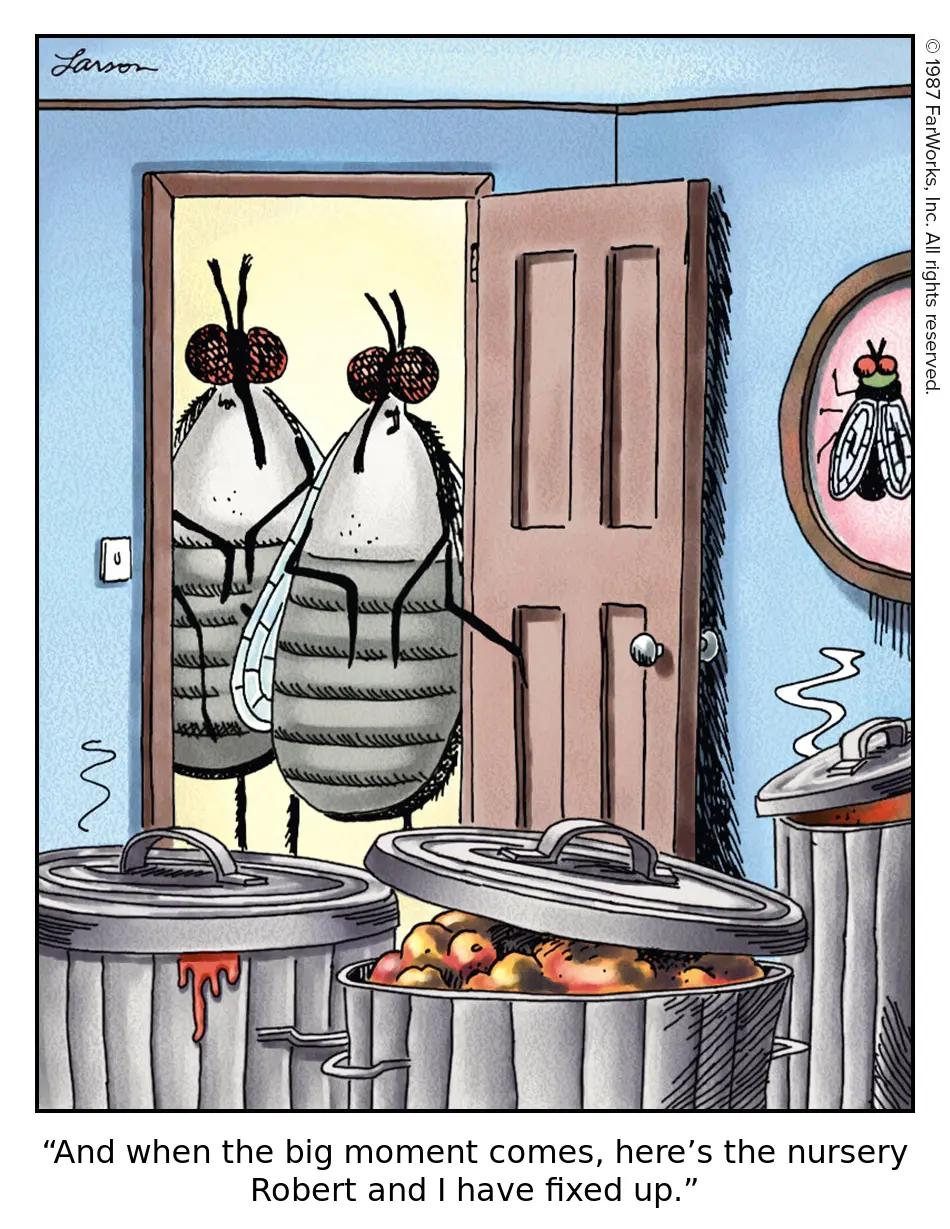
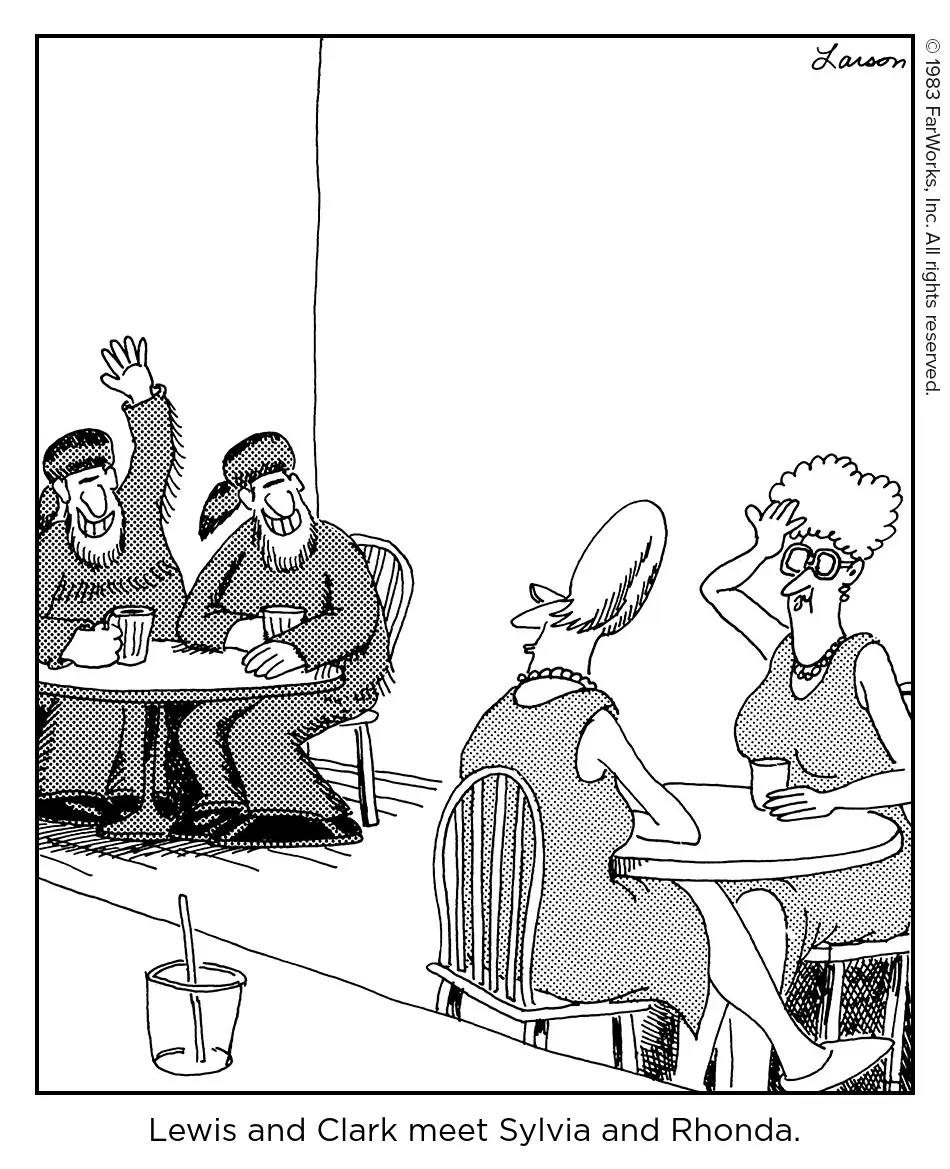
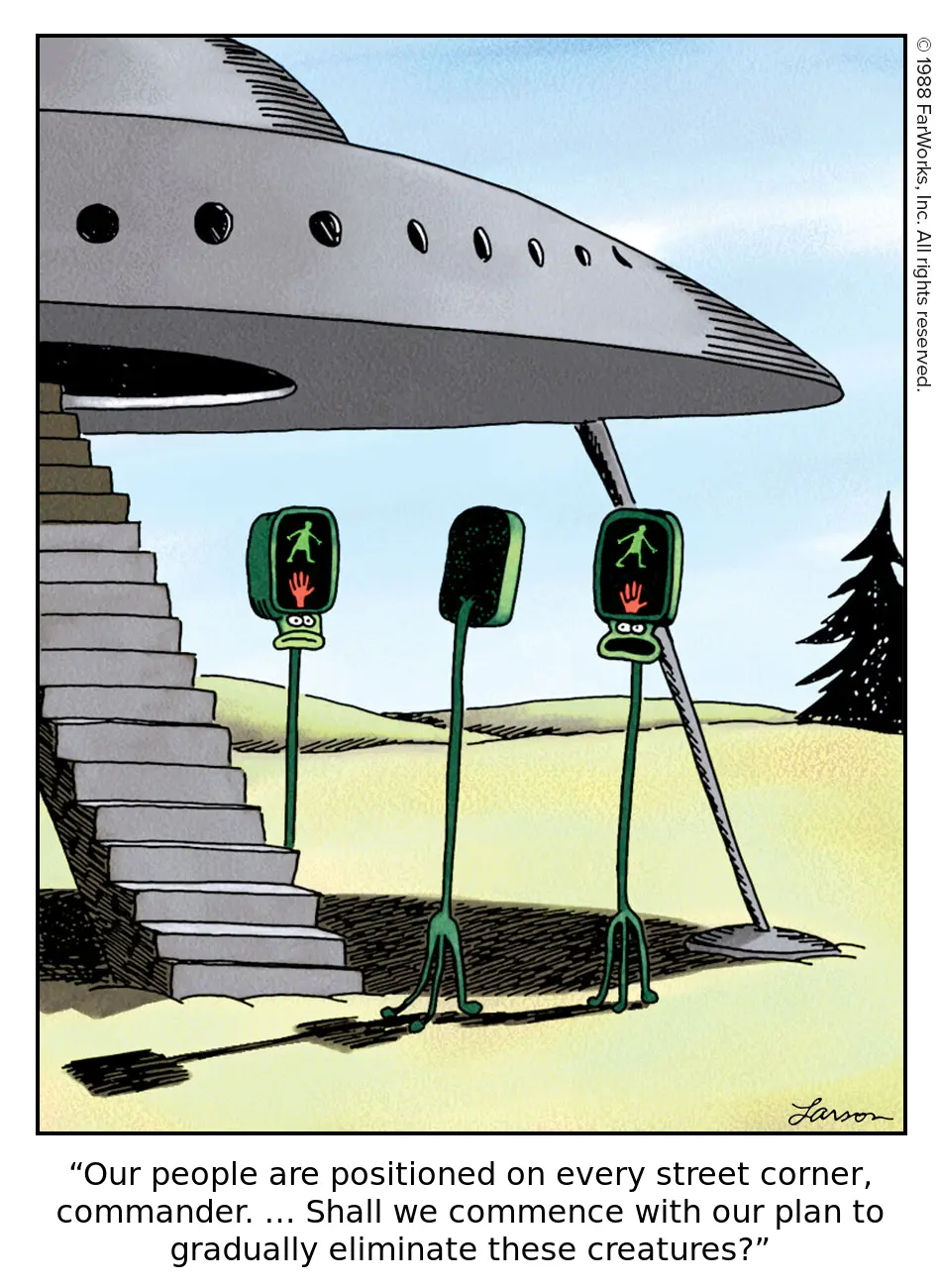
I’ve heard of the phrase “Reduce, Reuse, Recycle, in that order”, and in looking that up TIL there’s even a bit more to it:

 4·19 days ago
The winner is whoever stabs the other with their penis and impregnates them
Some background on this comic:
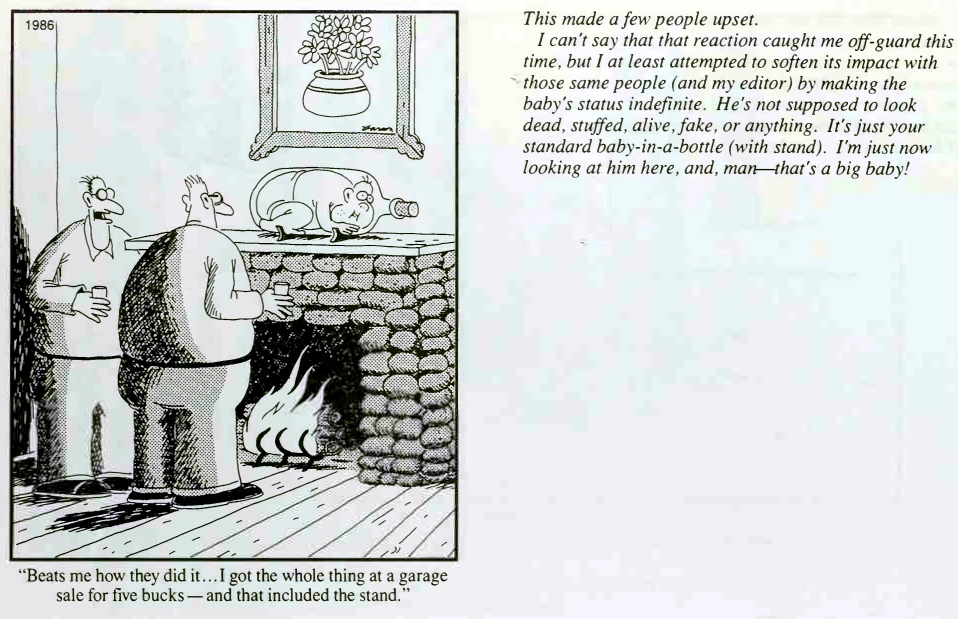
Transcript:
This made a few people upset.
I can’t say that that reaction caught me off-guard this time, but I at least attempted to soften its impact with those same people (and my editor) by making the baby’s status indefinite. He’s not supposed to look dead, stuffed, alive, fake, or anything. It’s just your standard baby-in-a-bottle (with stand). I’m just now looking at him here, and, man―that’s a big baby!
Just a one-off villian-of-the-week for a superhero called The Shield. Seems like he might’ve-sort’ve been in the DC universe. The Penguin was created in December 1941, and this comic was published in February 1942, so quite possibly inspired by the Penguin.
Some background on this comic:
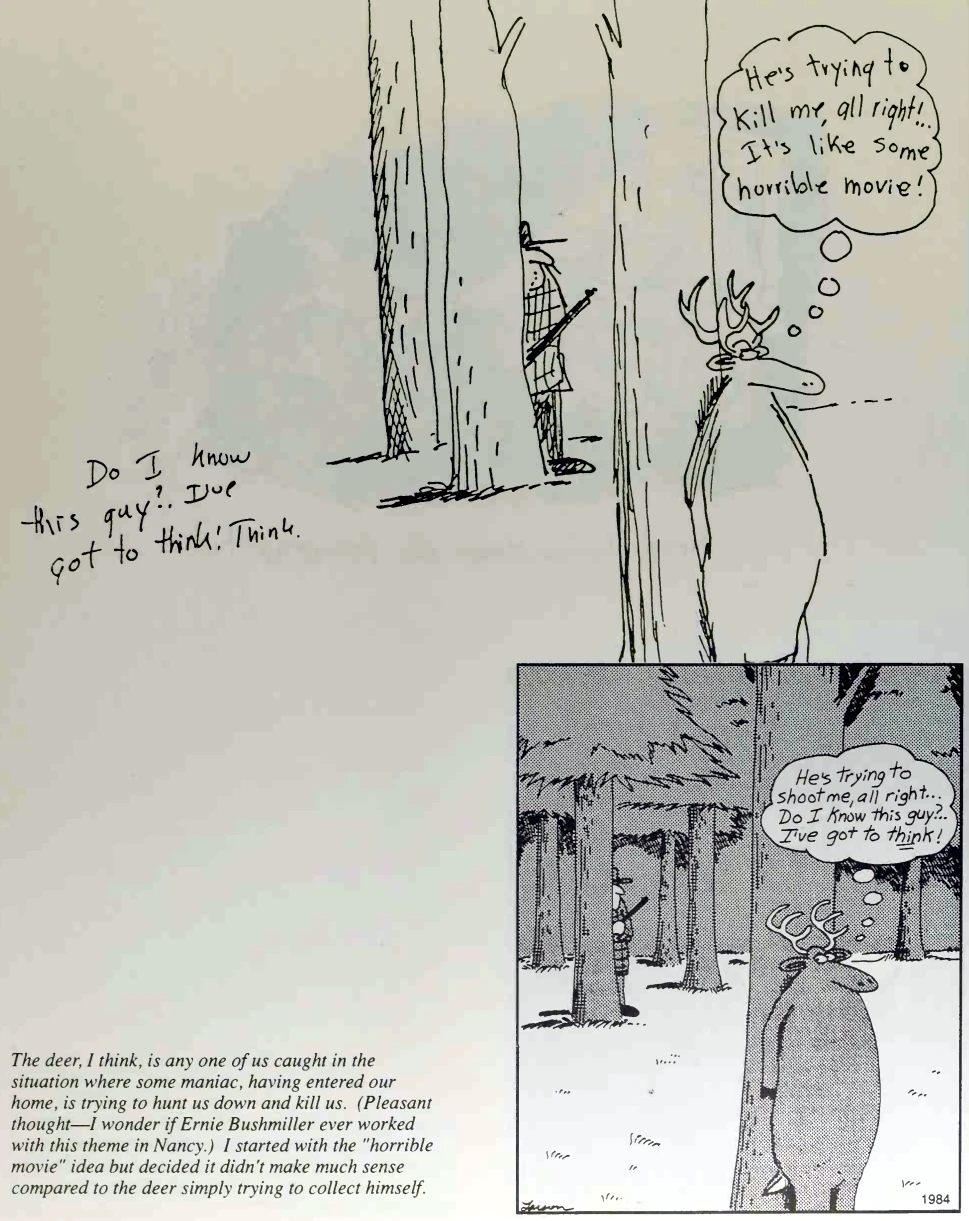
Transcript:
The deer, I think, is any one of us caught in the situation where some maniac, having entered our home, is trying to hunt us down and kill us. (Pleasant thought―I wonder if Ernie Bushmiller ever worked with this theme in Nancy.) I started with the “horrible movie” idea but decided it didn’t make much sense compared to the deer simply trying to collect himself.
Transcript (sketch):
He’s trying to kill me, all right!… It’s like some horrible movie!
Do I know this guy?. I’ve got to think! Think.
Yeah, I haven’t really heard the expression myself used for people like that, but it’s a play on “old man is buzzing about” -> “flies buzz about” -> “old man caught on flypaper like a fly”
Some context on this comic:
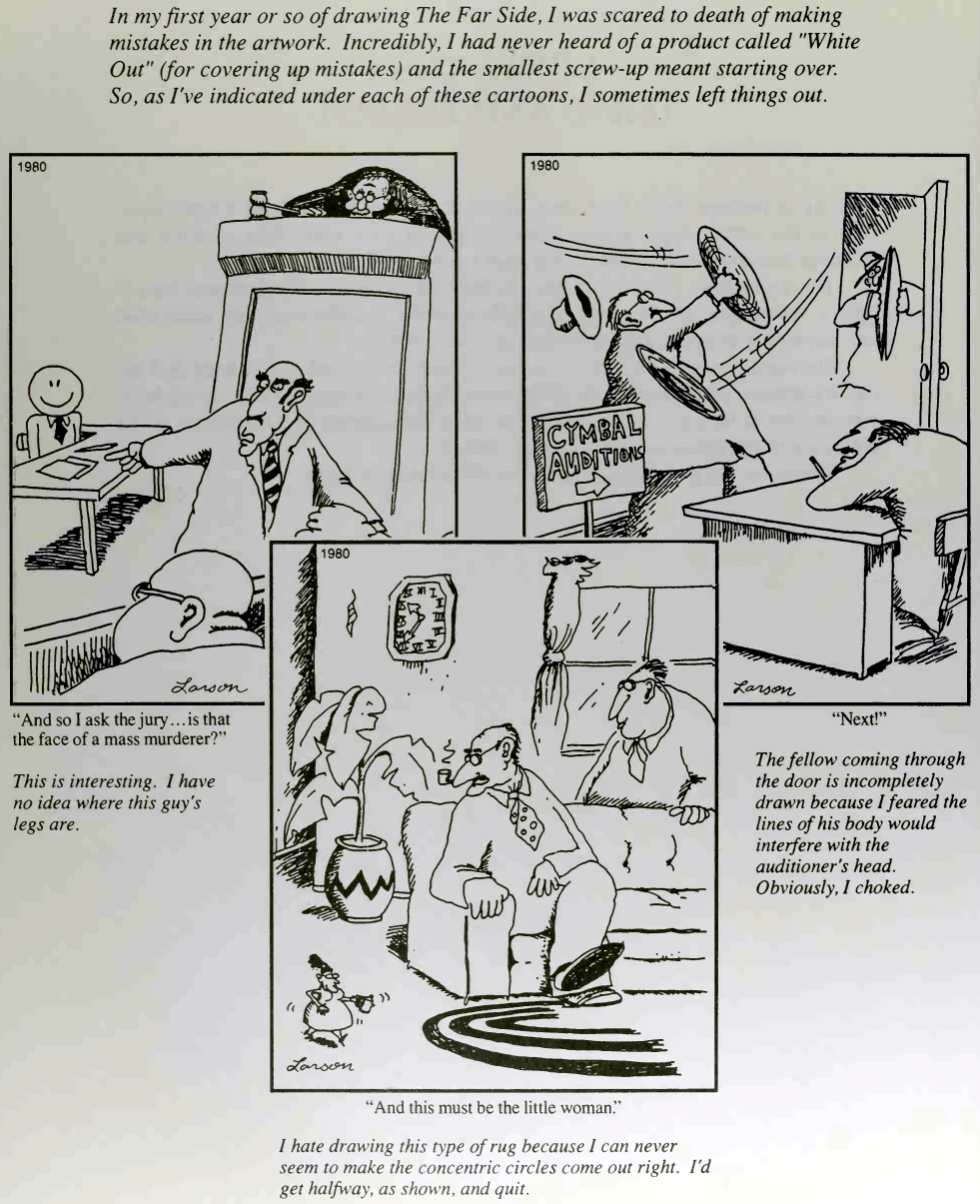
Transcript:
In my first year or so of drawing The Far Side, I was scared to death of making mistakes in the artwork. Incredibly, I had never heard of a product called “White Out” (for covering up mistakes) and the smallest screw-up meant starting over. So, as I’ve indicated under each of these cartoons, I sometimes left things out.
I hate drawing this type of rug because I can never seem to make the concentric circles come out right. I’d get halfway, as shown, and quit.
Moderates










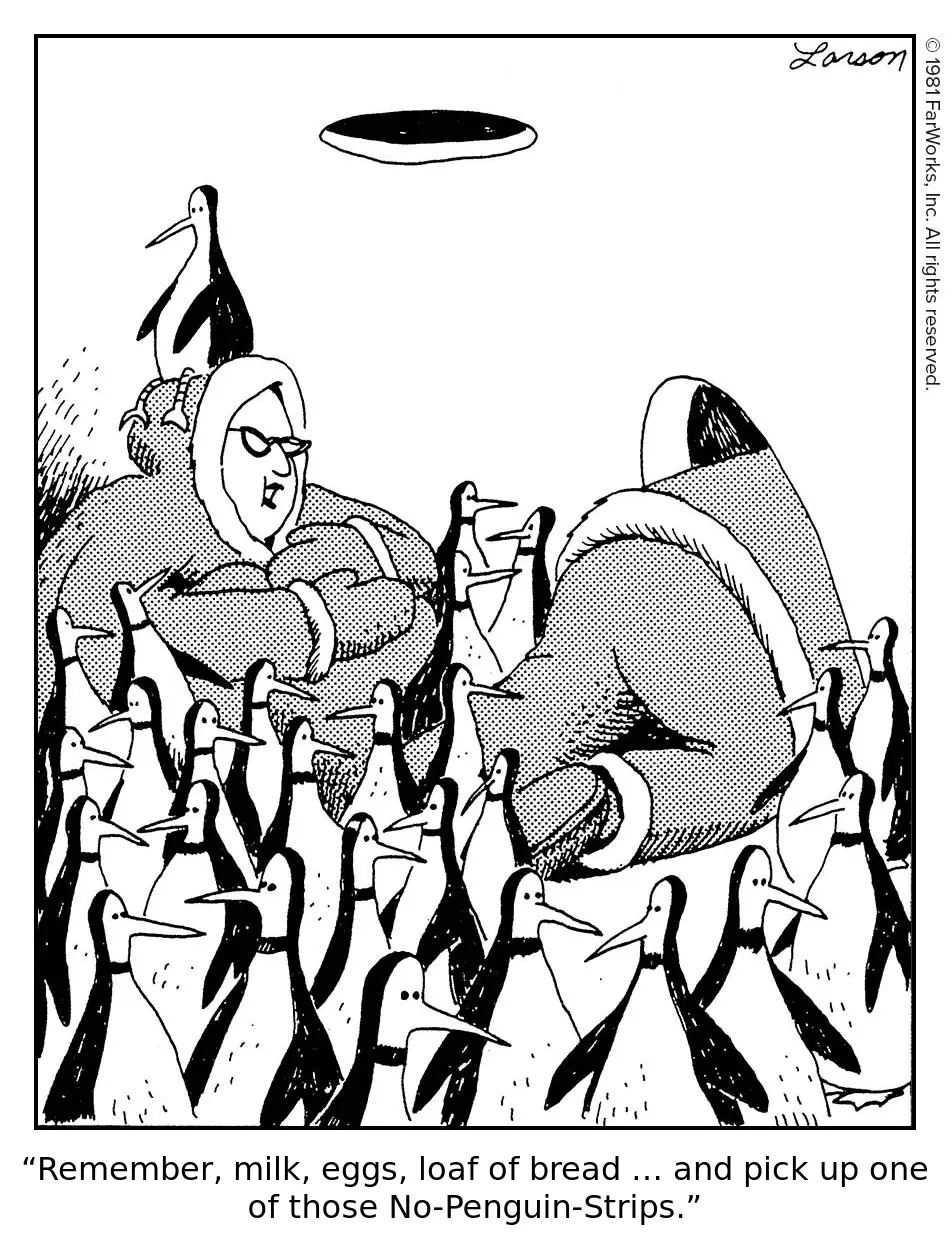
Now I’m wondering if penguins could become an invasive species in the Arctic, making the joke work. It seems based on a quick search that it’s unlikely, though I’m not ornithologist.