I don’t remember citing Leviticus, but it was written after Exodus, probably in the 5th Century BCE. Some rules are older, but not a lot, even if some may come from the Iron Age (but remember that David and Salomon, if they existed, didn’t have a big central temple; the “first temple” if it existed, was something far more modest who wouldn’t need all these rules). Second Temple period is when these texts were redacted from the first time, using small oral tradition from before, but with a lot of original composition. They chose the texts, they put them in order, they created a narrative around the small traditions they collated. They knew it was not historical, at least the parts they wrote themselves, it’s not possible otherwise. They probably thought that Moses existed, that he liberated the Hebrews; but they wanted to be true to what they believed was Moses’s legacy, not Moses’s life. And after that, other schools rewrote some parts, which were added, explaining why there are so much contradictions. These texts were living for centuries before being stopped; moreover, we now know thanks to Qumran that there never was one tradition, but different and opposing ones, probably until the late antiquity. If people thought that Exodus was written by Moses, they wouldn’t dare change it. The fact that they did proves that they didn’t think so.
It’s the same thing for the New Testament: the people writing the Second Epistle to the Thessalonians for example knew that they were not Paul (obviously), but they thought they were true to Paul’s legacy. And it was more important to say a true thing than a real thing.


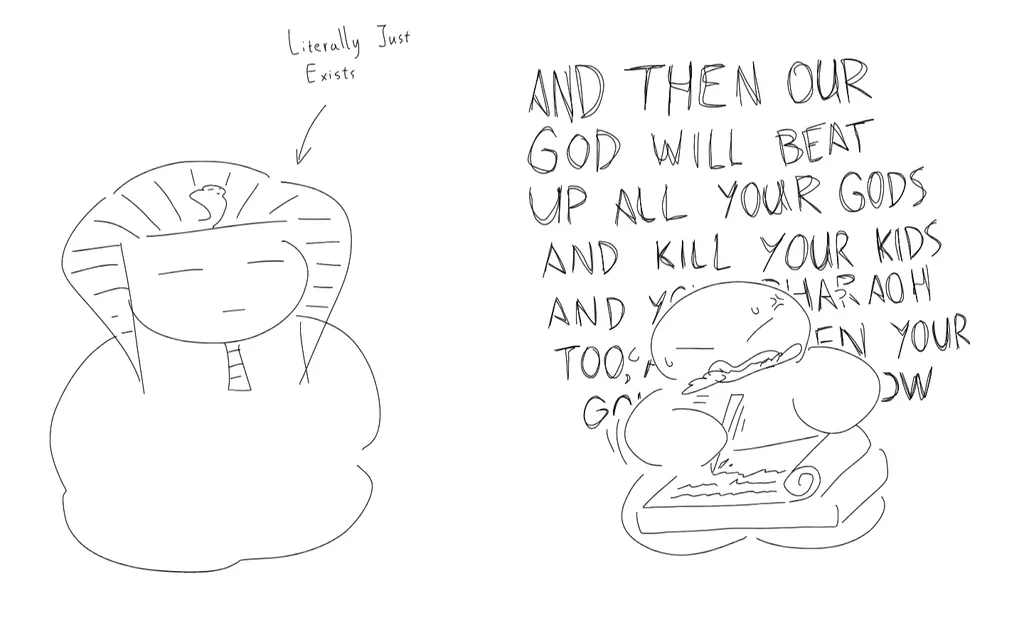
I don’t remember citing Leviticus, but it was written after Exodus, probably in the 5th Century BCE. Some rules are older, but not a lot, even if some may come from the Iron Age (but remember that David and Salomon, if they existed, didn’t have a big central temple; the “first temple” if it existed, was something far more modest who wouldn’t need all these rules). Second Temple period is when these texts were redacted from the first time, using small oral tradition from before, but with a lot of original composition. They chose the texts, they put them in order, they created a narrative around the small traditions they collated. They knew it was not historical, at least the parts they wrote themselves, it’s not possible otherwise. They probably thought that Moses existed, that he liberated the Hebrews; but they wanted to be true to what they believed was Moses’s legacy, not Moses’s life. And after that, other schools rewrote some parts, which were added, explaining why there are so much contradictions. These texts were living for centuries before being stopped; moreover, we now know thanks to Qumran that there never was one tradition, but different and opposing ones, probably until the late antiquity. If people thought that Exodus was written by Moses, they wouldn’t dare change it. The fact that they did proves that they didn’t think so.
It’s the same thing for the New Testament: the people writing the Second Epistle to the Thessalonians for example knew that they were not Paul (obviously), but they thought they were true to Paul’s legacy. And it was more important to say a true thing than a real thing.