Much of that has to do with the age of the nuclear fleet.
China is building reactors with significantly lower costs than the ones built in the west 40-60 years ago.
Nuclear is excellent for base loan and high power density requirements, like industrial electrification, where the cost of transmission and storage would quickly become too expensive.
The current modern ones under construction or recently completed in the west are also prohibitively expensive.
China might have some scale advantages right now, but most likely it is just shoddy construction like how the French build their reactors cheaply in the 1970/80ties, which over their lifetime ended up being more expensive because of all the costly repairs that constantly have to be done.
Nuclear fission is a dead horse, and anyone investing in that right now is building white elephants.
Maybe fusion will turn out different but for the time being the best is to invest in renewables and grid extension.
the materials required for commercially viable fusion power plants do not exist today. […] The challenge of fusion materials is compounded by the fact that design targets are not precisely defined and are rapidly evolving and by a lack of representative testing facilities.
Fission is far from dead. It still the most compact power source with the lowest environmental impact.
The problems come in is that they all seem to be treated as one-off projects, which is costly and less safe than an approach at scale.
The cost of a reactor on a nuclear submarine is actually cheaper than a terrestrial one, despite being more complex, because when they build them, they build 20 at a time.
Also, if you look at recent construction of fossil fuel power plants, they are also largely overbudget and late. For the same reasons as with nuclear.
The best solution has always been a mix of renewables and nuclear due to their different strengths.


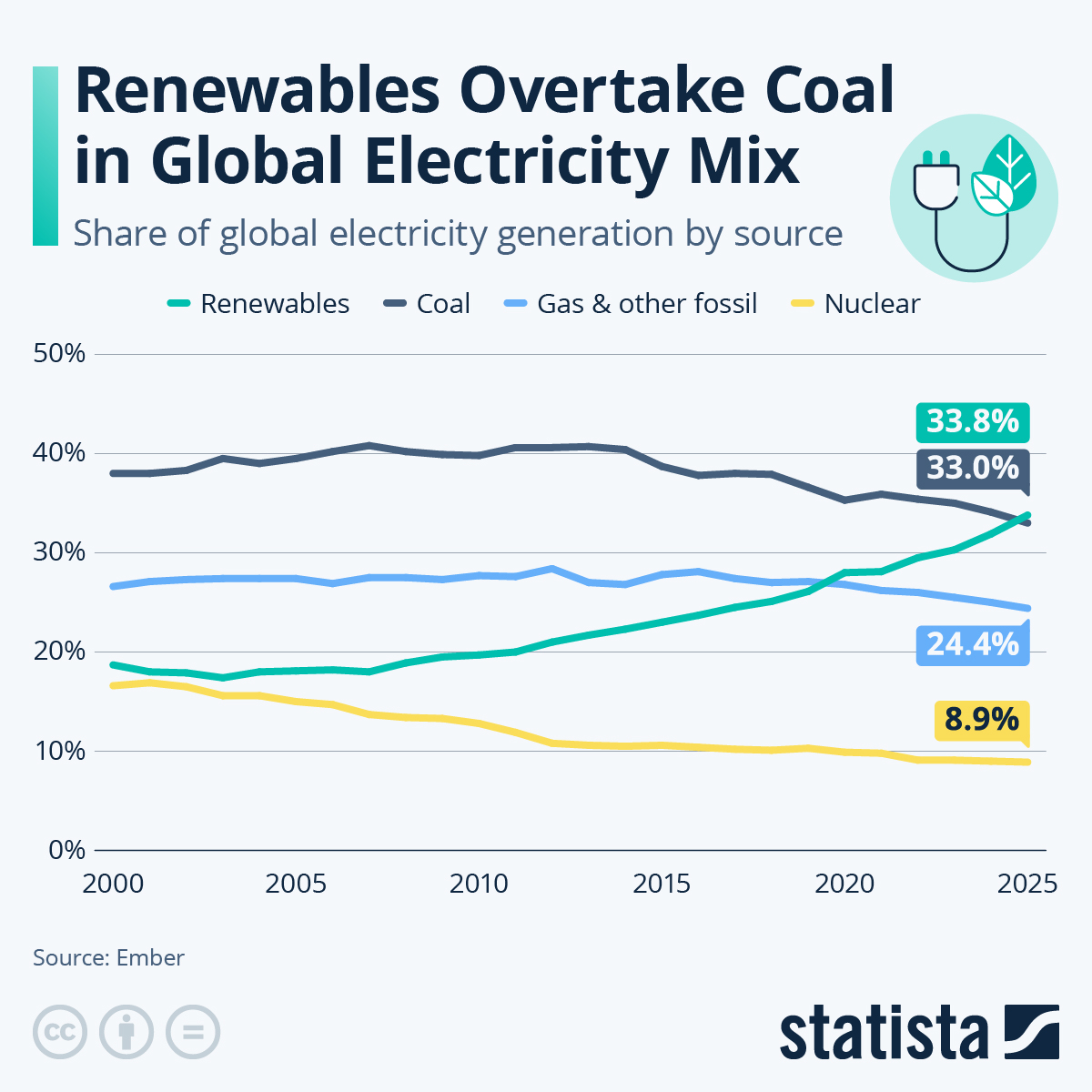
Because nuclear makes no economic sense 🤷
Much of that has to do with the age of the nuclear fleet.
China is building reactors with significantly lower costs than the ones built in the west 40-60 years ago.
Nuclear is excellent for base loan and high power density requirements, like industrial electrification, where the cost of transmission and storage would quickly become too expensive.
The current modern ones under construction or recently completed in the west are also prohibitively expensive.
China might have some scale advantages right now, but most likely it is just shoddy construction like how the French build their reactors cheaply in the 1970/80ties, which over their lifetime ended up being more expensive because of all the costly repairs that constantly have to be done.
Nuclear fission is a dead horse, and anyone investing in that right now is building white elephants.
Maybe fusion will turn out different but for the time being the best is to invest in renewables and grid extension.
It looks like one of the main problems with fusion are the materials.
Long-term research and design strategies for fusion energy materials
Scale has always been a problem with nuclear.
Fission is far from dead. It still the most compact power source with the lowest environmental impact.
The problems come in is that they all seem to be treated as one-off projects, which is costly and less safe than an approach at scale.
The cost of a reactor on a nuclear submarine is actually cheaper than a terrestrial one, despite being more complex, because when they build them, they build 20 at a time.
Also, if you look at recent construction of fossil fuel power plants, they are also largely overbudget and late. For the same reasons as with nuclear.
The best solution has always been a mix of renewables and nuclear due to their different strengths.
deleted by creator