

- cross-posted to:
- technology@beehaw.org
- cross-posted to:
- technology@beehaw.org
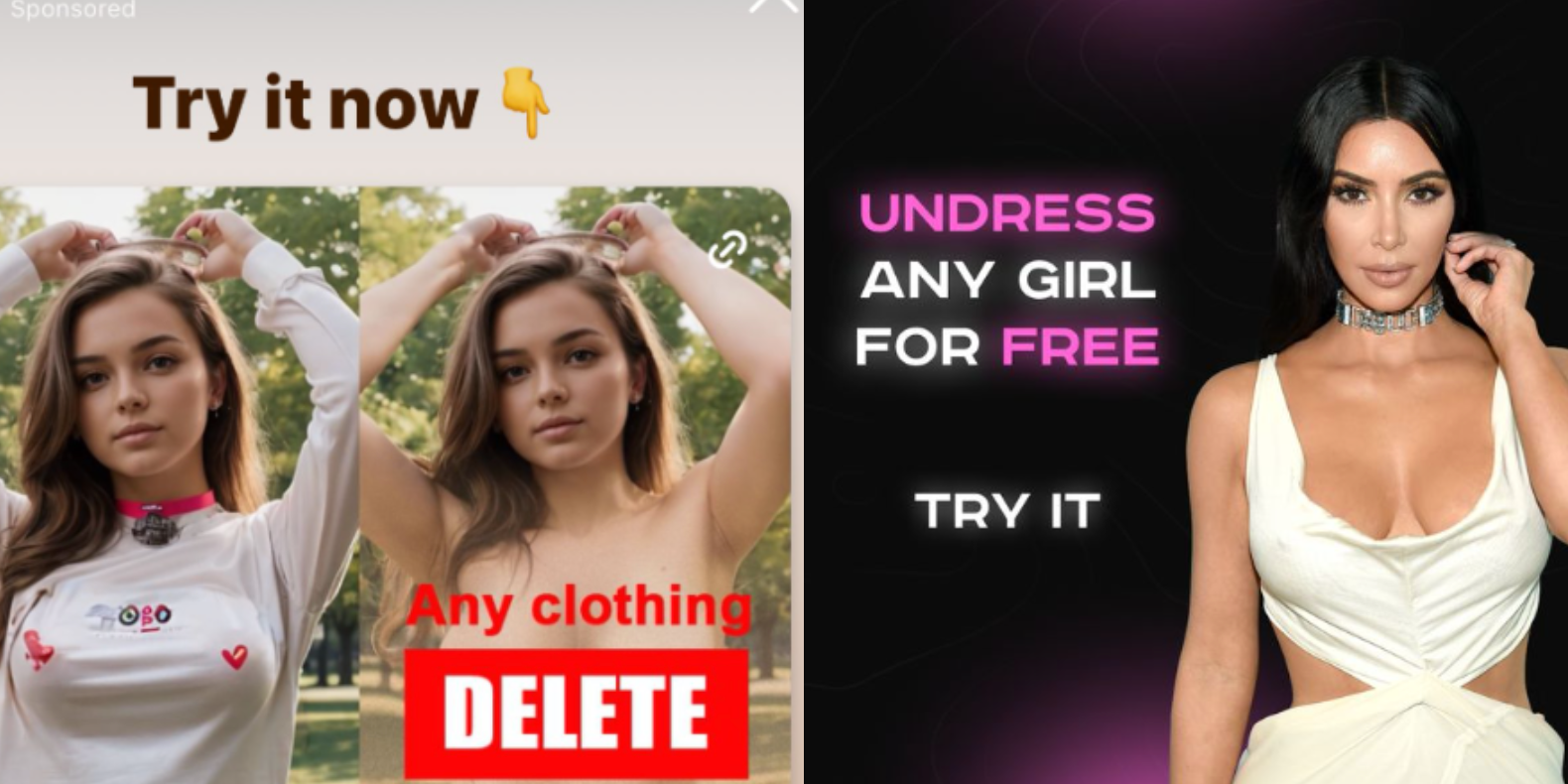
Instagram is profiting from several ads that invite people to create nonconsensual nude images with AI image generation apps, once again showing that some of the most harmful applications of AI tools are not hidden on the dark corners of the internet, but are actively promoted to users by social media companies unable or unwilling to enforce their policies about who can buy ads on their platforms.
While parent company Meta’s Ad Library, which archives ads on its platforms, who paid for them, and where and when they were posted, shows that the company has taken down several of these ads previously, many ads that explicitly invited users to create nudes and some ad buyers were up until I reached out to Meta for comment. Some of these ads were for the best known nonconsensual “undress” or “nudify” services on the internet.
deleted by creator
https://www.sitation.com/non-determinism-in-ai-llm-output/
AI can be made deterministic, yes, absolutely.
The current design everyone is using(LLMs) cannot be made deterministic.
deleted by creator
I love your wishful thinking. Too bad academia doesnt agree with you.
Edit: also, I have to come back to laugh at you for trying to argue that the almost random nature of software random number generators is deterministic AI.
deleted by creator
You can make it more deterministic by reducing the acceptable range of answers, absolutely. But then you also limit your output, so thats never really a good use case.
Randomness is a core functionality of not just LLMs, but the entire stack that has resulted in LLMs. Yes you can get a decently consistent answer, but not a deterministic one. Put another way, with LLMs being at max constraint, you can ask them to add 1+1. You’ll usually get 2. But not nearly always.
deleted by creator
No, thats not how it works. Ive already explained and posted links as to why.
deleted by creator