The US closing off its market was totally predictable and has been priced in. You'll notice that no Chinese EV makers made any plans to export directly into the US, even as they were selling around the world.
The US market is significant, sure, but the US car industry could easily end up where its shipbuilding industry is: hanging around thanks to government protection, catering to the domestic market, but a bit of a joke by global standards.
There's irony here. Europe went along with the US push to block Chinese access to semiconductors. China turns to domestic chip manufacturing, and the obvious first step is to get into mature nodes, the segment of the semiconductor industry where European firms have been successful. European Commission: shocked Pikachu face.
From what I've read, this is mainly a distraction. Russia hasn't committed enough troops for a serious invasion of Kharkiv oblast; their objectives is to tie up Ukraine's reserves and keep them away from the fighting in the east.
But the point remains: 2% of GDP is the NATO target, getting even to that point for Germany has been like pulling teeth, and a serious implementation of universal conscription would be a much bigger ask.
You could similarly argue that phone makers should concentrate on making and taking calls. Turns out, that's not what consumers care about once a certain bar is cleared (a pretty low bar; call quality is notably bad on many modern cellphones). They care more about other stuff like... being good at navigation.
This has been put to the market test in China. For EV purchases, most consumers turn out not to care about the "car" aspects beyond a certain point. If the car drives okay and has acceptable safety, what matters is the Internet-based bells and whistles.
"The wealthy and corporations" have choices of how to invest their money. If housing supply is sufficiently elastic to meet demand, they'll find somewhere else other than housing to put their money. Ain't nobody trying to corner the Chinese real estate market in 2024, for instance (*).
There are a few places where land shortages genuinely constrain housing supply, like Singapore and Hong Kong. But the US has tons of land; things are simply not well optimized. That, plus high interest rates due to fiscal/monetary mismanagement.
(*) Not saying the Chinese real estate market is worth emulating.
This is an unserious proposal. Germany spends about 1.5 percent of its GDP(*) on defence, much of it wasted, and increasing it to even 2 percent has involved painful and extended political wrangling. If the country collectively cannot find the will to tweak its budget to fund a modest increase in defence spending, it is not going to countenance universal conscription.
US policymakers screwed themselves with crappy urban planning, leading to insufficient housing supply and bad transit options. Blaming AirBnB for high housing prices is like setting up a chain of dominos, and criticizing a guy who comes by and knocks it over. If it wasn't him, it would have been someone else, or the wind.
Irrelevant. Because of India's population, the only way for it not to eventually surpass Japan in total GDP is for India to remain perpetually mired in backwardness. Since the 1990s, India has undergone successive rounds of economic liberalization, thereby achieving catch-up growth. All that stuff with Japanese demographics, bad management, etc. are secondary factors. Even if all the factors for Japan had been more favorable, it would only have postponed the day of overtake by a few years.
It's nothing to do with Japan, really. It's about India and its economy slowly clawing its way up from its historically low base. Note that India's GDP per capita is still well below the global average (and Japan's is well above).
I'm pretty skeptical about how much fundamental change is possible on this issue. So long as we give consumers a choice, the overwhelming evidence is that most people dgaf about their data, and are willing to trade it away.
This is a totally free exchange. Even when you plant the choice in front of users as an obnoxious and intrusive accept-cookies prompt, they'll happily click Accept All even for sketchy websites (let alone something like Gmail). So you end up wasting everyone's time for little benefit.
A common response to this is to mull heavy-handed centralized government controls, like how China regulates its internet giants. But this would be a decisive move away from the entire idea of a decentralized internet. People pushing such legislation often retort that it's possible to pick off the internet giants while leaving smaller operators alone, but this seems like a forlorn hope. Google and Meta already signalled that they are not concerned about EU data laws, because they have so much internal data, and the regulations could even entrench their dominance by preventing other players from catching up.
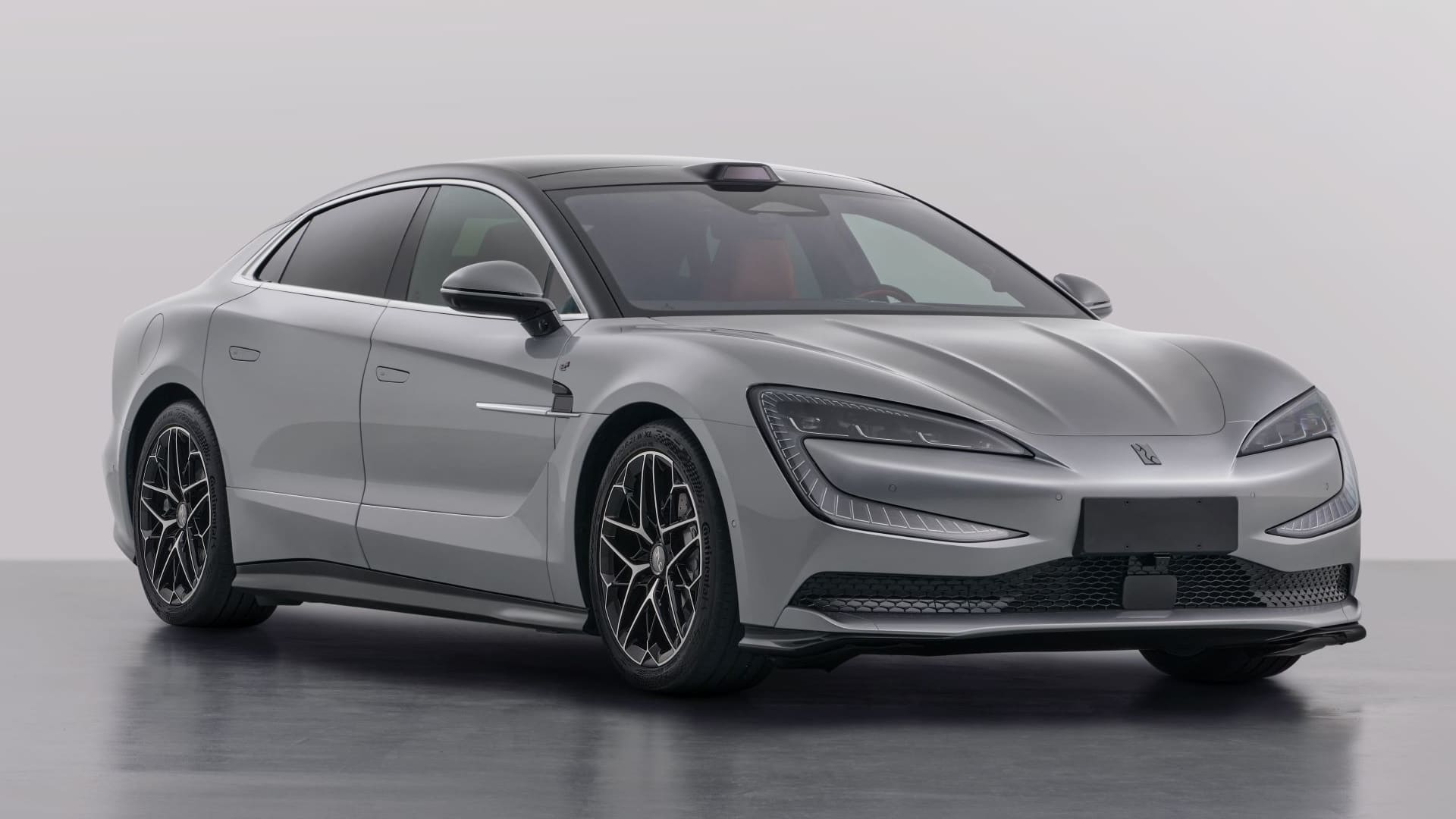
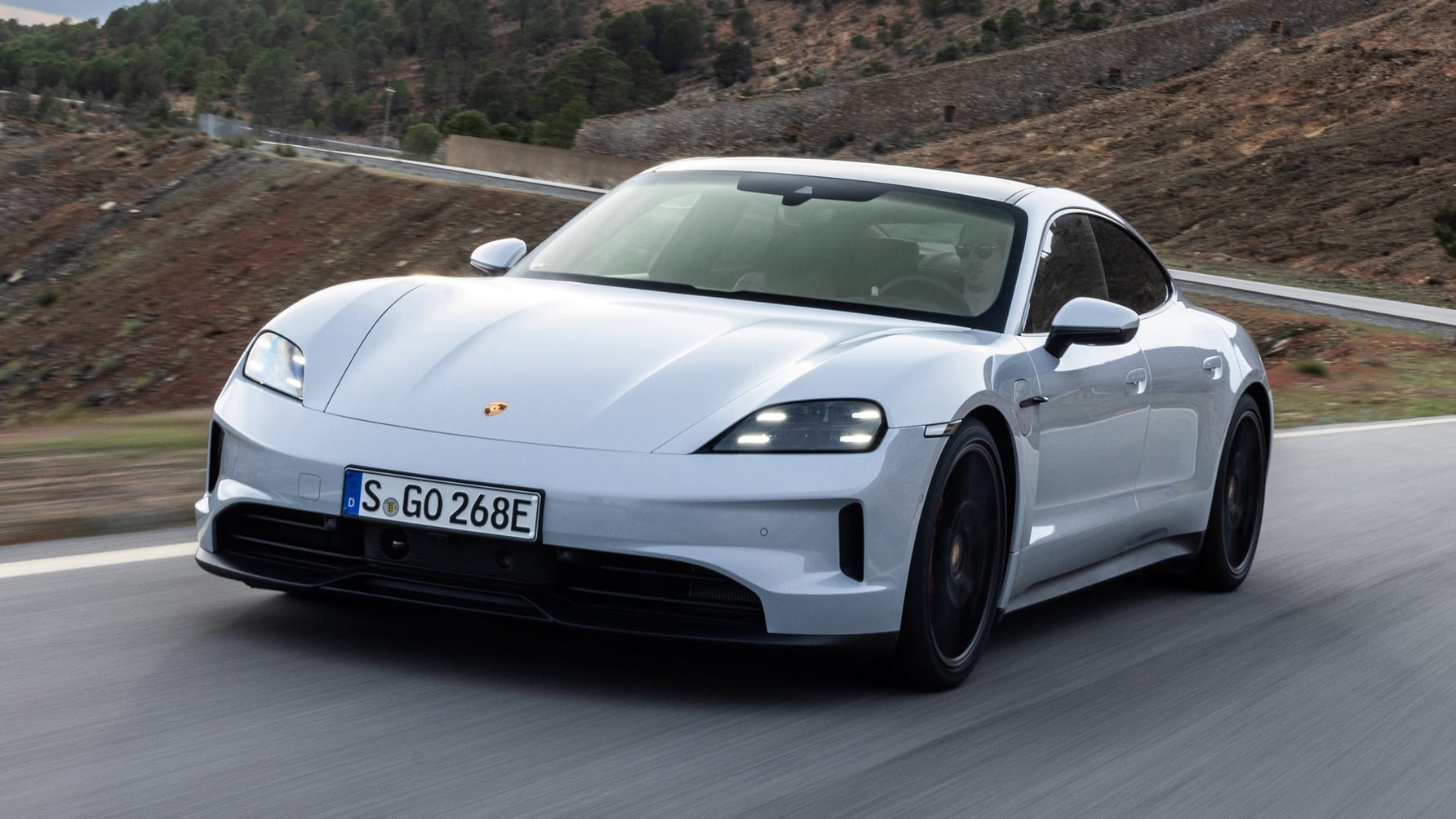
So you're just talking about the look of the car? Because BYD has been doing EVs far longer than Porsche, so if anyone is doing a rip-off of the tech, it would be Porsche.
As far as design goes, BYD's aesthetics in recent years has a lot to do with them hiring big-shot European designers like Wolfgang Egger. If they're pulling from the same talent pool as other top carmakers, it's not so obvious why you'd accuse BYD of copying others, and not vice versa.
The US closing off its market was totally predictable and has been priced in. You'll notice that no Chinese EV makers made any plans to export directly into the US, even as they were selling around the world.
The US market is significant, sure, but the US car industry could easily end up where its shipbuilding industry is: hanging around thanks to government protection, catering to the domestic market, but a bit of a joke by global standards.